IDU and FSW Harm Reduction Project – Faridabad
Comprehensive Public Health Intervention for Vulnerable Communities
The IDU and FSW Harm Reduction Project in Faridabad, implemented by Abhivyakti Foundation with the support of the Haryana State AIDS Control Society (HSACS), is a holistic initiative designed to safeguard the health and dignity of Injecting Drug Users (IDUs) and Female Sex Workers (FSWs). The project operates under the guidelines of the National AIDS Control Organization (NACO) and the Ministry of Health and Family Welfare, adopting national and international best practices for harm reduction, care, and rehabilitation.
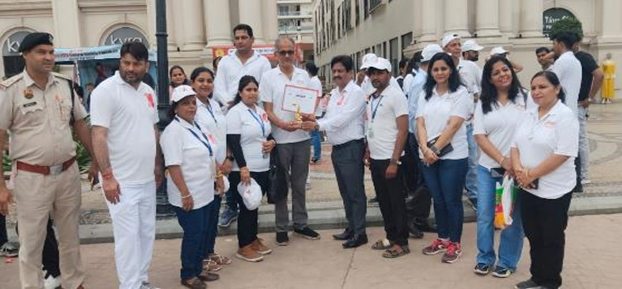
This initiative serves as a bridge between vulnerable communities and essential health and social welfare services. By reaching out to 800 individuals, including both IDUs and FSWs, the project ensures comprehensive access to preventive, diagnostic, and rehabilitative support in an inclusive, stigma-free environment.
The project directly addresses the dual vulnerability of substance use and unsafe sexual practices, ensuring that people who inject drugs (PWID) and female sex workers (FSWs) receive continuous access to life-saving preventive, diagnostic, and care services in a stigma-free environment.
Project Reach and Coverage
The Faridabad Harm Reduction Initiative currently reaches over 800 individuals, comprising 600 Injecting Drug Users (IDUs) and 200 Female Sex Workers (FSWs). The program’s field team—comprising outreach workers, counselors, peer educators, and medical professionals—provides personalized, door-to-door services, ensuring no beneficiary is left behind.
| Key Parameters (2024–25) | Target Group | Achievement | Achievement % |
|---|---|---|---|
| Outreach and Enrollment | 800 individuals | 785 enrolled | 98.1% |
| Regular HIV Testing | 800 individuals | 720 tested | 90% |
| STI Screening | 800 individuals | 670 screened | 83.75% |
| Needle-Syringe Distribution | 90,000 units | 87,500 distributed | 97.2% |
| Condom Distribution | 1,20,000 units | 1,10,000 distributed | 91.7% |
| Linkage to OST Centers | 300 IDUs | 210 linked | 70% |
| Peer Counseling Sessions | 480 sessions | 440 completed | 91.6% |
| TB Screening & Referral | 200 clients | 185 screened | 92.5% |
Delivering Critical Health and Harm Reduction Services
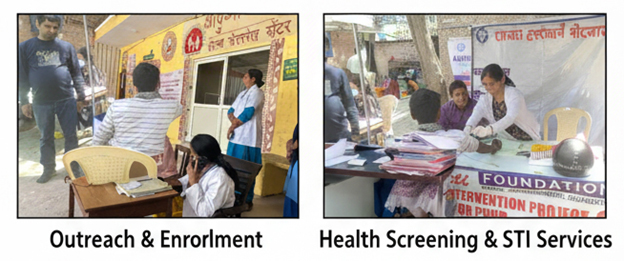
Abhivyakti Foundation’s outreach and harm reduction teams operate across identified hotspots in Faridabad, ensuring uninterrupted access to clean injecting equipment, safe sex commodities, and healthcare referrals. Through continuous field engagement, the program distributes over 87,000 sterile needles and syringes and more than 1.1 lakh condoms annually, effectively minimizing the risk of HIV and Hepatitis C transmission.
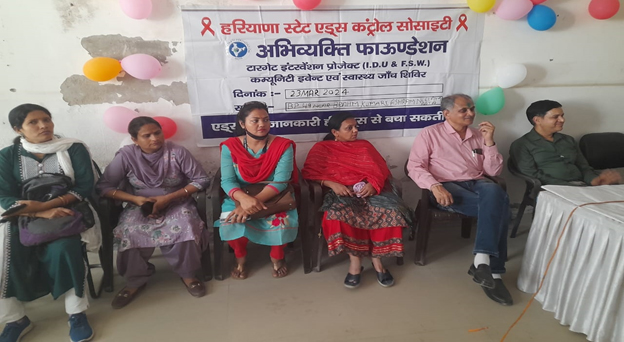
The project’s consistent presence in the community has resulted in a significant reduction in unsafe injection practices — nearly 65% fewer cases of shared equipment use have been recorded. Educational sessions, field demonstrations, and one-on-one risk assessments have improved the overall awareness and self-care capacity of IDUs. Among FSWs, condom use during commercial sexual encounters has increased to approximately 88%, reflecting a strong adoption of safe practices.
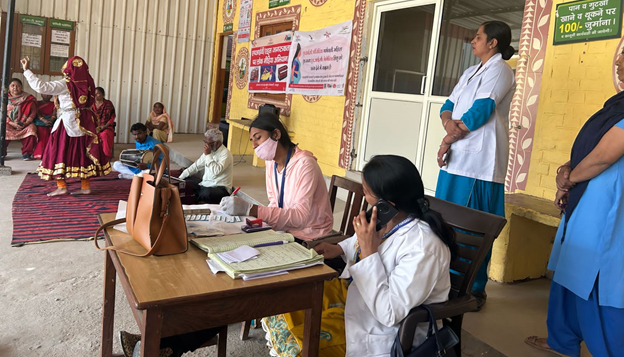
Mobile health teams conduct regular health check-ups, ensuring over 90% of beneficiaries receive HIV testing and around 84% are screened for sexually transmitted infections (STIs). Those diagnosed are promptly linked to treatment, ensuring timely medical response and reducing further transmission.
Strengthening Continuum of Care and Treatment Linkages
A major strength of the project lies in its robust referral and linkage system. Abhivyakti Foundation coordinates closely with local Opioid Substitution Therapy (OST) centers, Integrated Counseling and Testing Centers (ICTC), and Antiretroviral Therapy (ART) facilities to ensure uninterrupted access to essential care.
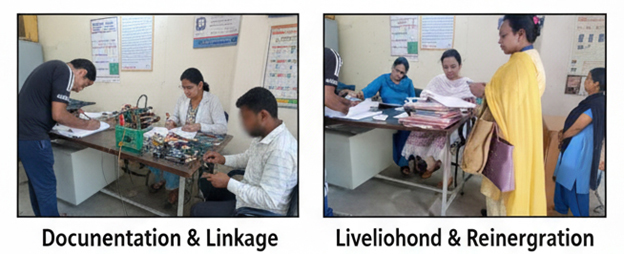
Currently, about 70% of eligible IDUs are enrolled in OST programs, receiving continuous medical supervision and psychosocial support. Among those identified as HIV-positive, more than 90% are successfully linked to ART centers and monitored regularly for adherence. Follow-up visits and peer tracking have substantially improved treatment retention and reduced dropout rates.
This integrated system has created a seamless bridge between the community and healthcare infrastructure — ensuring that every individual receives care “from the field to the facility” without stigma or discrimination.
Psychosocial Support and Behavioural Transformation
The harm reduction model goes beyond medical care — it addresses the emotional and psychological realities of addiction and vulnerability. The project’s dedicated counselors and peer educators provide individual and group counseling sessions, creating safe spaces where clients can share, reflect, and rebuild confidence.
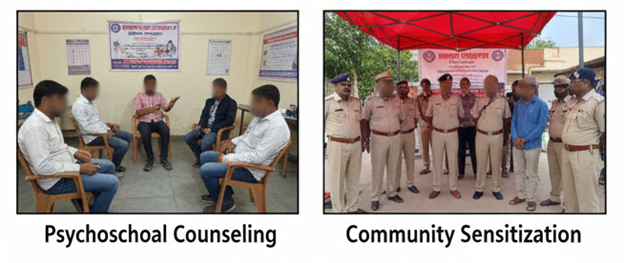
More than 440 group sessions have been conducted, resulting in a noticeable 58% improvement in treatment adherence among clients who attend regularly. Through continuous motivation and mentorship, relapse rates among those engaged in counseling and OST services have dropped by nearly 40%.
Mental health screening and family counseling are now integral to the intervention, helping clients rebuild relationships and reintegrate socially. The introduction of peer-led counseling, where recovered clients guide current users, has proven particularly effective — demonstrating that lived experience can be the most powerful tool for transformation.
Livelihood and Reintegration Initiatives
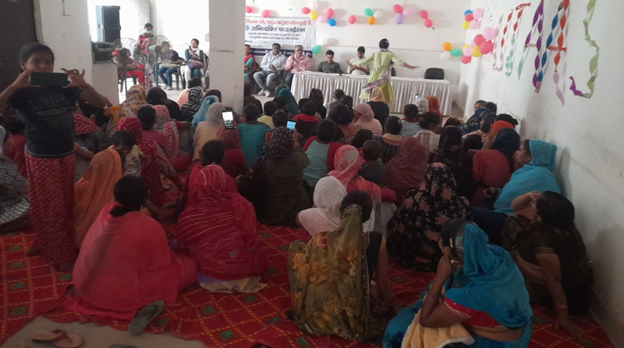
Recognizing that long-term recovery depends on social and economic stability, Abhivyakti Foundation has integrated livelihood and skill development components within the program. Many clients face rejection, joblessness, and poverty — key factors driving relapse. To counter this, the project collaborates with local vocational training centers and small enterprises to provide opportunities in tailoring, packaging, and community outreach work.
So far, around 85 beneficiaries have been trained or placed in income-generating activities, creating a pathway toward self-reliance and dignity. Additionally, over 120 clients have obtained essential documents such as Aadhaar, ration cards, and health insurance, enabling access to government schemes and financial inclusion.
Through these reintegration efforts, beneficiaries are not only overcoming addiction but also reclaiming their social identity and independence.
Community Engagement and Stigma Reduction
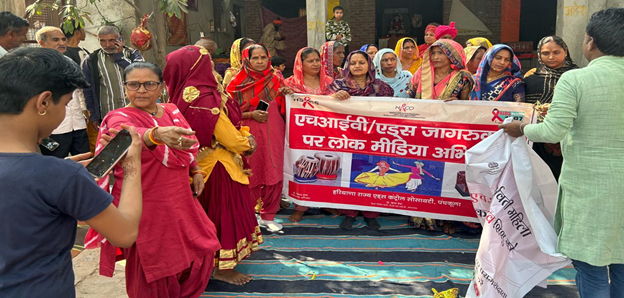
An important dimension of the project is reducing stigma and discrimination at both community and institutional levels. Regular sensitization workshops are organized with healthcare staff, police officials, local leaders, and other stakeholders to build empathy and awareness about the needs of key populations.
This has led to a 45% increase in acceptance and supportive attitudes within healthcare facilities and law enforcement departments. Incidents of service denial and harassment have reduced drastically. The project also conducts community sensitization meetings that promote inclusive social environments and challenge stereotypes, leading to a more enabling atmosphere for the beneficiaries.
Key Achievements and Overall Impact
The IDU and FSW Harm Reduction Project implemented by Abhivyakti Foundation in Faridabad has achieved significant progress in health, behavior change, and social inclusion among its target population. The program currently reaches 800 beneficiaries, providing life-saving interventions such as needle-syringe exchange, HIV/STI testing, opioid substitution therapy (OST), psychosocial support, and livelihood linkages.
Through consistent field outreach, counseling, and medical linkages, the project has demonstrated substantial improvements in safety, health, and social reintegration. Beneficiaries have adopted safer practices, improved treatment adherence, and gained access to essential health and social services, while community acceptance has increased significantly.
| Impact Area | Current Achievement | Achievement % / Outcome | Impact Description |
|---|---|---|---|
| Beneficiaries Reached | 800 individuals (IDUs & FSWs) | 100% coverage of target population | Effective engagement of high-risk and marginalized groups through regular outreach. |
| HIV Testing | 720 clients tested | 90% | Early detection and linkage to care for at-risk individuals, preventing new infections. |
| STI Screening | 670 clients screened | 83.7% | Timely identification and treatment of STIs among key populations. |
| Needle-Syringe Distribution | 87,500 clean syringes distributed | 97% of estimated requirement | Significant reduction in unsafe injection practices and blood-borne infections. |
| Condom Distribution | 1,10,000 condoms distributed | 91.7% coverage | Increased safer sexual practices among FSWs, reducing HIV/STI transmission. |
| OST Linkage | 210 IDUs enrolled | 70% | Improved adherence to treatment, reduced withdrawal symptoms, and decreased relapse rates. |
| ART Linkage (HIV+) | 92% linked to ART centers | 92% | Ensures treatment continuity and reduces HIV-related morbidity. |
| Psychosocial Counseling | 440 group sessions conducted | 58% improvement in adherence | Behavioral support, mental health screening, and relapse prevention. |
| Relapse Reduction | Relapse decreased by 40% | 40% | Sustained recovery and improved quality of life among clients. |
| Community Acceptance | 45% improvement in local acceptance | 45% | Stigma reduction and improved access to health and social services. |
| Livelihood Integration | 85 clients trained/placed in jobs | 10.6% | Economic empowerment and social reintegration, supporting long-term recovery. |
These achievements highlight how the program has evolved into a multi-dimensional platform for recovery, resilience, and reintegration. Beneficiaries are no longer seen as passive recipients of aid but as active participants in their own transformation.
Success Story
“The outreach workers from Abhivyakti Foundation were the first people who didn’t judge me. They helped me when I was at my lowest, gave me clean needles to stay safe, and guided me toward treatment. Today, I’m sober and working as a peer educator, helping others make the same change I did.” — Recovered Beneficiary, Faridabad
Pathways for Strengthening and Innovation
Building upon current achievements, the project envisions several enhancements to deepen its impact:
- 1. Expanding outreach coverage to more hidden and underserved pockets in Faridabad.
- 2. Introducing a mobile health clinic for on-site testing, wound care, and basic treatment.
- 3. Scaling up OST and ART linkage to ensure 90%+ coverage of all eligible clients.
- 4. Integrating digital monitoring and biometric-based tracking to strengthen case management.
- 5. Establishing a women-centric harm reduction module focusing on gender-based vulnerabilities and reproductive health.
- 6. Enhancing partnerships with CSR entities for livelihood programs and sustainable rehabilitation models.
These future actions will help consolidate the program’s achievements, ensure sustainability, and further uplift the lives of hundreds of individuals who are currently struggling on the margins.
Conclusion
The IDU and FSW Harm Reduction Project – Faridabad stands as a testament to Abhivyakti Foundation’s unwavering dedication to human dignity, compassion, and inclusion. By merging medical care, behavioral support, and livelihood reintegration, the project has created a model of holistic harm reduction — one that saves lives, restores self-worth, and rebuilds communities.
Every life touched by this program reflects a journey from vulnerability to strength, from isolation to empowerment — proving that with sustained support and empathy, change is not just possible, it’s inevitable.