A CSR Initiative by Jhajjar Power Limited, Implemented by Abhivyakti Foundation
Campaign Overview - Under the Corporate Social Responsibility (CSR) initiative of Jhajjar Power Limited (JPL), Abhivyakti Foundation successfully implemented a week-long Water Quality, Sanitation, and Community Water Management Awareness Campaign across multiple villages. The campaign was designed to promote behavioral change, community ownership, and sustainable management of water and sanitation resources. Through a blend of education, participation, and demonstration, the initiative aimed to build a more informed, responsible, and resilient community around issues of water security and hygiene.

Key Focus Areas
The campaign strategically covered all major aspects of water and sanitation, assigning a specific theme to each day for maximum focus and clarity:
- 1. Safe Drinking Water Quality – Promoting awareness on water testing, purification, and safe storage practices to reduce water-borne diseases.
- 2. Water Conservation Techniques – Demonstrations on rainwater harvesting, wastewater reuse, and efficient water usage in daily life.
- 3. Community-Managed Water Supply Systems – Encouraging ownership, regular maintenance, and community-based monitoring.
- 4. Household Toilet Construction and Usage – Promoting hygienic sanitation practices and explaining design, benefits, and maintenance of household toilets.
- 5. Village Cleanliness and Hygiene – Highlighting community responsibility in maintaining clean surroundings and preventing contamination.
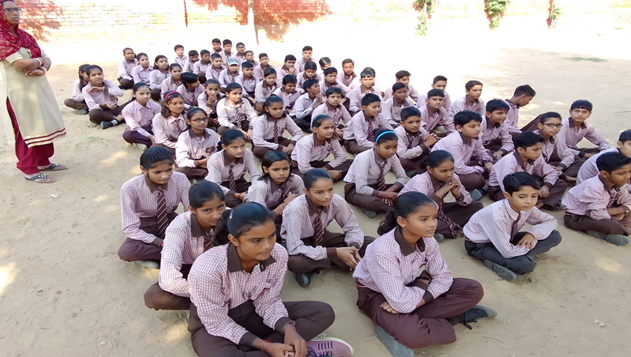
Community Engagement - The campaign ensured broad participation by involving women, youth, school children, local leaders, and frontline health workers. Interactive sessions, demonstrations, and group discussions were organized to increase awareness and empower participants to take collective action. Although the campaign’s focus was on water and sanitation, it also included discussions on health linkages with water-borne and communicable diseases such as HIV, STIs, and TB, to emphasize the holistic nature of health and hygiene.
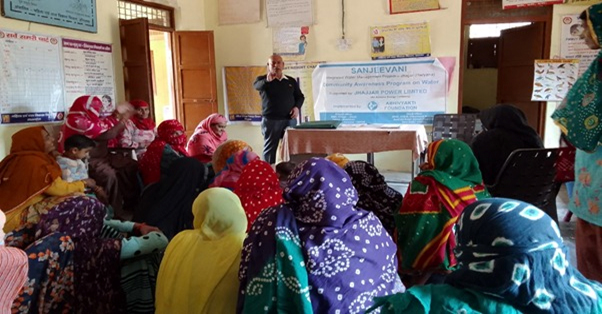
Village Institutions and Community Structures - The campaign strengthened Village Water and Sanitation Committees (VWSCs) through capacity-building sessions on management, monitoring, and maintenance of local water resources. Women’s Self-Help Groups (SHGs) were empowered as champions of water management and hygiene promotion, reinforcing their leadership roles in community development.
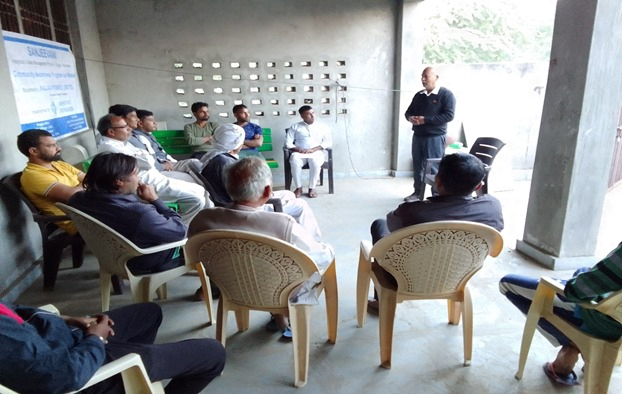
Health and Education Sector Involvement - Frontline workers like Aanganwadi and ASHA workers were trained on the interlinkages between water, sanitation, and health. Schools played a vital role — teachers and students participated in awareness drives, debates, and creative competitions, reinforcing the message of water conservation from a young age.
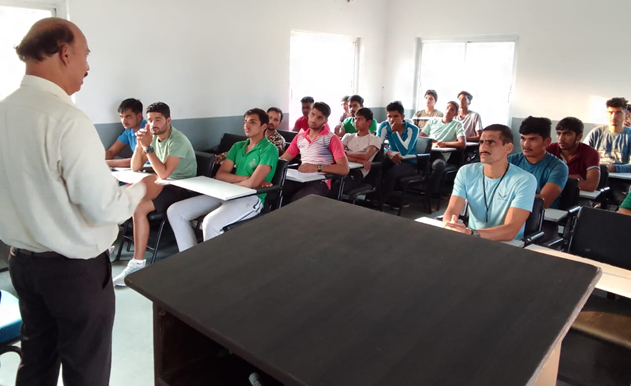
Youth Leadership and Participation - Special emphasis was given to youth engagement, positioning them as ambassadors for change. Local youth volunteers took charge of village cleanliness drives, awareness rallies, and demonstrations, helping to inspire sustained behavioral change among residents.
Campaign Activities
A series of practical and educational activities ensured high levels of community involvement and retention of knowledge:
- 1. Educational Workshops: Interactive discussions on water testing, purification methods, and maintenance of sanitation facilities.
- 2. Demonstrations: Low-cost water filtration models, handwashing techniques, and rainwater harvesting systems were showcased.
- 3. Community Mobilization Drives: Cleanliness campaigns, pledge ceremonies for open defecation-free (ODF) villages, and street plays promoting hygiene.
- 4. School Programs: Drawing competitions, rallies, and student-led awareness sessions reinforced key messages of conservation and hygiene.
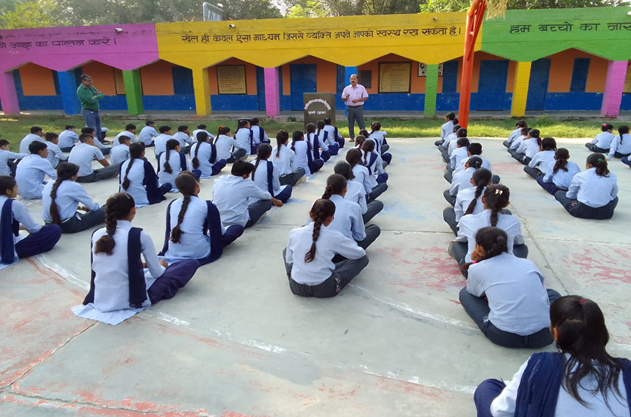
Impact and Reach - The campaign made a measurable difference across multiple dimensions of community well-being:
- 1. Covered over five villages, reaching more than 800 households directly through educational and demonstration activities.
- 2. Engaged school children, teachers, and youth volunteers as multipliers of awareness in their families and neighborhoods.
- 3. Strengthened community leadership through the active involvement of VWSCs and SHGs.
- 4. Created a visible change in hygiene practices, with more households adopting safe drinking water and sanitation habits.
- 5. Increased demand for local solutions such as water filters, soak pits, and rainwater harvesting systems.
Social and Economic Impact - The initiative brought significant social and economic benefits to participating villages. Improved access to clean water and sanitation reduced the incidence of water-borne diseases, thereby lowering medical expenses and absenteeism from work and school. Empowering women through SHG-led water management activities enhanced their decision-making roles in community affairs. Youth engagement fostered a sense of civic responsibility and social cohesion. Over time, these outcomes are expected to contribute to healthier, more productive, and economically stable households, reducing vulnerability to poverty and improving the overall quality of life.
Sustainable Outcomes - The campaign laid strong foundations for long-term sustainability through:
- 1. Formation and activation of VWSCs with defined roles and responsibilities.
- 2. Establishment of local water quality monitoring systems led by trained community volunteers.
- 3. Institutionalization of hygiene practices in schools and households.
- 4. Development of community-based maintenance plans for water supply infrastructure.
- 5. Integration of women and youth leadership in water governance.
Community Voices
“This campaign has changed our understanding of water management. We now see it as our responsibility to maintain our water sources and use them wisely.” — Village Water Committee Member
“Learning about simple water testing methods has empowered us to ensure our families drink safe water daily.” — Women’s Self-Help Group Participant
About the Partnership - This initiative reflects the strong partnership between Jhajjar Power Limited and Abhivyakti Foundation, uniting corporate social responsibility with community-driven action. Jhajjar Power Limited’s commitment to environmental sustainability and community welfare has complemented Abhivyakti Foundation’s deep experience in grassroots mobilization, training, and capacity building. Together, they have demonstrated how corporate resources and civil society expertise can create meaningful, long-term change in rural development.
Join the Movement - Water is life — and conserving it is a shared responsibility. To learn more about ongoing water conservation efforts or to partner in similar community initiatives, please connect with Abhivyakti Foundation and Jhajjar Power Limited. Together, we can ensure a future where every household has access to safe water, clean surroundings, and a healthier tomorrow.