Bridging the Digital Divide: DU Lab Free Digital Learning Classes
Empowering Through Digital Literacy
In a rapidly digitizing world, where access to technology determines access to opportunity, the DU Lab initiative—a joint effort of Abhivyakti Foundation and the STMicroelectronics Foundation India—stands as a model of inclusive transformation. This pioneering program has been designed to bridge the digital divide for underprivileged communities by offering free digital learning opportunities to children, youth, and women who otherwise remain excluded from the digital ecosystem.
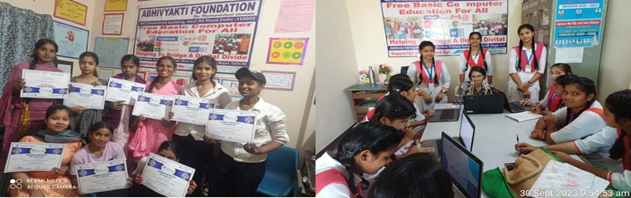
Operating across four strategic centers in North India, the initiative has reached deep into both urban and rural settlements, ensuring equitable access to modern learning infrastructure. With an emphasis on practical learning, community engagement, and empowerment through technology, the DU Lab has so far trained over 5,000 beneficiaries, including school students, unemployed youth, and members of self-help groups. These learners, many of whom had never touched a computer before, now possess the confidence and competence to navigate a digital world with ease.
Vision and Mission
The foundation of the DU Lab program lies in a powerful belief — that digital literacy is not a privilege but a basic right in the modern age. The digital divide is more than a gap in access to gadgets or connectivity; it reflects disparities in opportunity, participation, and empowerment.
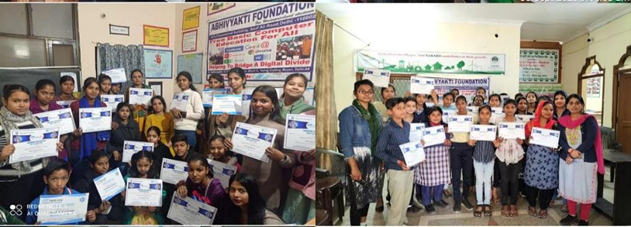
Through DU Lab, Abhivyakti Foundation seeks to democratize technology by providing inclusive and high-quality digital education to marginalized communities. The mission is to empower youth and women with the digital knowledge, tools, and confidence needed to pursue education, employment, and entrepreneurship opportunities — thereby fostering inclusive growth and social equity in the digital era.
The Digital Unify Program: A Collaborative Initiative
The Digital Unify (DU) Program, generously supported by STMicroelectronics Foundation (Donor) and implemented by Abhivyakti Foundation, is the cornerstone of this digital empowerment movement. It focuses on providing digital literacy, employable IT skills, internet awareness, and financial inclusion education to populations with limited technological exposure.
The initiative is being implemented in Dasna (Ghaziabad, Uttar Pradesh) and Burari (Delhi)—two locations representing a mix of semi-urban and peri-rural communities. These regions were chosen strategically due to their demographic diversity and the presence of large youth and women populations in need of structured skill-building interventions.

The core philosophy of the DU Program is simple yet powerful: to enable first-generation digital learners to not only use technology but to leverage it as a tool for education, employment, communication, and empowerment.
Objectives of the Program
The DU Lab Digital Unify Program was envisioned with the following key objectives:
- 1. Enhance Digital Literacy: To expand access to digital knowledge among children, youth, and women from marginalized communities.
- 2. Build Employable Skills: To train participants in essential computer applications, MS Office, and soft skills needed for workplace success.
- 3. Promote Financial Inclusion: To encourage safe and confident use of digital financial tools like UPI, online banking, and e-wallets.
- 4. Encourage Responsible Digital Behavior: To create awareness about cyber safety, online privacy, and ethical digital practices.
- 5. Develop a Sustainable Digital Ecosystem: To nurture community-level digital leaders who can act as trainers, mentors, and local change agents.
Training Framework and Curriculum
The DU Lab training curriculum was meticulously designed to balance theoretical understanding with hands-on learning. Each module aimed to build practical confidence while ensuring inclusivity for learners with varying educational backgrounds. The training was delivered through 100 hours of structured sessions, carefully combining classroom learning, computer lab practice, and interactive discussions.

| Module | Key Coverage | Duration (Hours) | Mode of Learning |
|---|---|---|---|
| Basic Computer Literacy | Introduction to Computers, MS Word, Excel, PowerPoint, Windows operations | 40 | Practical Sessions |
| Internet Skills | Web Browsing, Email, Search Engines, Cyber Safety, Online Communication | 20 | Hands-on Practice |
| Digital Services | Online Banking, UPI, E-Governance, Digital Payments | 15 | Demonstration Sessions |
| Communication Skills | Typing, Email Writing, Online Meetings, Presentation Tools | 15 | Classroom + Practice |
| Employability Skills | Resume Building, Job Portals, Interview Preparation | 20 | Interactive Workshops |
Each batch was mentored by trained instructors with IT and digital pedagogy experience, ensuring every participant received personalized attention. Learning was continuously assessed through periodic evaluations, practical exercises, and post-training certifications.
Implementation Process
Abhivyakti Foundation adopted a community-centric implementation approach, ensuring participation from marginalized segments through targeted mobilization and localized engagement.
Key Activities Included:
- 1. Community Mobilization and Orientation: Door-to-door awareness campaigns, SHG meetings, and school outreach programs were organized to identify potential learners from economically weaker families.
- 2. Structured Classroom Training: Classes were conducted in small batches to maintain personalized learning and continuous feedback.
- 3. Cyber Safety and Awareness Sessions: These were integrated to teach secure and ethical use of digital tools, particularly focusing on women and youth.
- 4. Exposure to e-Governance Services: Practical demonstrations on using government portals such as DigiLocker, Aadhaar Services, and online certificates made the training immediately relevant.
- 5. Digital Financial Literacy Workshops: Participants were trained on digital payment systems like BHIM UPI, Paytm, and online banking to promote cashless transactions.
- 6. Certification and Assessment: At the completion of training, participants underwent evaluation and received certificates, validating their skills for job applications.
- 7. Post-Training Support: WhatsApp groups and local mentor networks were formed to provide continued guidance, ensuring long-term engagement and practice.
This participatory approach not only built individual capacity but also fostered community ownership, making the program self-sustaining and scalable.
Beneficiary Profile
Since its inception, the DU Lab initiative has touched the lives of over 5,000 learners, including children, youth, and women from diverse social and economic backgrounds.
In the most recent phase, 500 new participants successfully completed the program.
| Particulars | Details |
|---|---|
| Total Participants (Cumulative) | 5,000+ |
| Participants in Recent Phase | 500 |
| Gender Composition | Female – 70%, Male – 30% |
| Age Group | 15–35 years |
| Socio-Economic Profile | Rural youth, SHG members, unemployed graduates, school dropouts |
| Geographic Coverage | Dasna (Ghaziabad), Burari (Delhi), and neighboring rural clusters |
The program’s high female participation demonstrates its effectiveness in promoting gender inclusion and addressing digital inequity in traditionally underserved communities.
Program Outcomes and Impact
The DU Lab Digital Unify initiative has produced remarkable transformations—not only improving participants’ technical skills but also catalyzing social, economic, and behavioral changes across communities.
Enhanced Digital Literacy and Confidence
All 5,000 trained participants now possess the ability to operate computers independently, manage files, and use MS Office applications efficiently.
Impact: 95% of learners can perform core digital tasks such as document creation, data entry, and internet navigation without assistance. This has directly improved students’ academic performance and helped youth secure basic office-based employment. Improved Employability and Income Generation
The program created tangible employment outcomes. Over 700 trained youth secured internships or entry-level jobs in offices, schools, and local enterprises. Additionally, 300 participants—especially women—used their new skills to start or support small businesses, such as tailoring, handicrafts, or home-based retail ventures.
Impact: Nearly 20% of learners reported increased income and economic stability after training.
Promotion of Digital Financial Practices
Before the intervention, most participants relied solely on cash transactions. Post-training, 45% of learners adopted digital tools for daily financial activities, including online banking and UPI-based payments.
Impact: Families experienced improved transparency, reduced dependency on intermediaries, and better financial control.
Gender Empowerment and Inclusion
Women beneficiaries, who once hesitated to use digital devices, now confidently engage in online education, e-commerce, and telemedicine. Many mothers also use online platforms to support their children’s learning.
Impact: 70% of women participants reported increased decision-making confidence within their families and communities.
Educational Advancement Among Children
For school-going participants, DU Lab’s digital modules significantly enhanced academic learning. With access to digital research, tutorials, and learning games, 60% of students recorded improved grades in STEM subjects and overall academic confidence. Community-Level Ripple Effect
The impact of the DU Lab extended far beyond individual participants. Graduates became digital ambassadors, teaching family members and neighbors the basics of smartphone and internet use. Impact: It is estimated that over 20,000 individuals indirectly benefited through peer learning, exposure, and increased digital adoption within the community.
Success Stories: Real People, Real Change
Sanjana (Dujana Village): Previously unaware of computers, Sanjana completed DU Lab training and now works as a Data Entry Operator, earning ₹5,000 per month. She supports her family financially and motivates other young women to learn digital skills.
Lovely (Dasna): Using the digital marketing and communication skills gained from DU Lab, Lovely launched an online handicraft store showcasing local artisans’ products. Her venture now provides a sustainable monthly income and employment for two more women.
Priya (Burari): At just 16, Priya transitioned from having no digital access to becoming her family’s in-house tech expert. She now manages her father’s business accounts on spreadsheets and helps her siblings with online schoolwork.
These stories symbolize the broader mission of DU Lab — empowering individuals to become self-reliant contributors to their families and communities.
Challenges and Learnings
The implementation journey revealed key insights essential for future expansion:
- 1. Connectivity Constraints: Poor internet connectivity in rural areas occasionally limited real-time training, highlighting the need for offline learning resources.
- 2. Demand for Advanced Skills: Many participants expressed strong interest in specialized training such as digital marketing, graphic design, and freelancing—signifying upward aspirations.
- 3. Need for Mentorship: Post-training support significantly boosted learners’ confidence and long-term retention.
- 4. Infrastructure Sustainability: Continuous maintenance of computer labs and upgrading equipment emerged as a priority for scalability.
Learning: Programs integrating mentorship and advanced modules witnessed up to 40% higher engagement and longer-term impact on digital behavior.
Sustainability and Future Directions
The DU Lab program is designed not as a one-time intervention but as a long-term digital empowerment ecosystem. Building upon its proven success, Abhivyakti Foundation plans to:
- 1. Establish Digital Literacy Resource Centres in partnership with local schools, panchayats, and community-based organizations.
- 2. Introduce Advanced Skill Modules on digital marketing, e-commerce management, and entrepreneurship.
- 3. Launch a Community Digital Trainer Program to certify and deploy trained alumni as mentors.
- 4. Expand outreach to 10,000+ new learners in the next phase, scaling across Haryana, Uttar Pradesh, and Delhi NCR.
Through continued collaboration with STMicroelectronics Foundation, the DU Lab will evolve into a replicable national model for community-based digital inclusion.
Conclusion
The DU Lab – Digital Unify Program stands as a testament to the power of collaboration, compassion, and technology in creating equitable societies. With more than 5,000 individuals already trained, the program has not only built digital capabilities but also restored dignity, confidence, and opportunity to thousands of lives.
Abhivyakti Foundation’s partnership with STMicroelectronics Foundation has successfully bridged the digital divide for marginalized communities — transforming technology from a barrier into a bridge toward empowerment.
As the initiative continues to grow, it carries a powerful message:
When digital education reaches the last learner, true inclusion begins — and the future becomes accessible to all.