Successful Completion of Glass Artisanship LEDP in Palwal Transforming Tradition into Sustainable Livelihoods
Abhivyakti Foundation, with the generous financial assistance of NABARD, proudly announces the successful completion of the Livelihood and Enterprise Development Programme (LEDP) on Glass Artisanship in Palwal district, Haryana. This innovative initiative has marked a significant milestone in empowering rural women through skill enhancement, enterprise creation, and sustainable livelihood promotion. The program has successfully bridged the gap between traditional craftsmanship and modern market demands, enabling women artisans to achieve financial independence and social recognition.
A Transformative Journey in Rural Craftsmanship
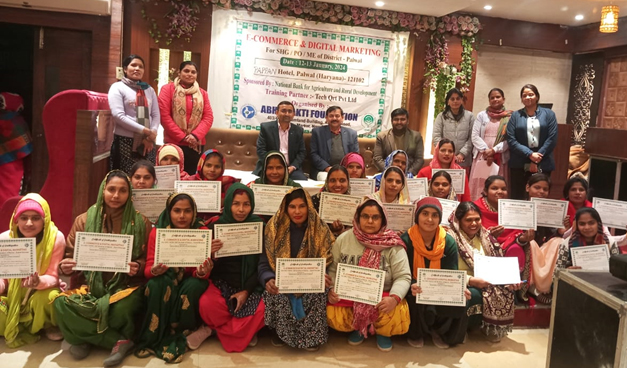
The Glass Artisanship LEDP was designed as a holistic initiative to revive traditional glasswork while introducing contemporary skills that align with present-day market trends. Conducted across three villages — Prithala, Gulwad, and Nai Nagla, the program empowered 75 women from 25 Self-Help Groups (SHGs) through a structured and hands-on learning process.
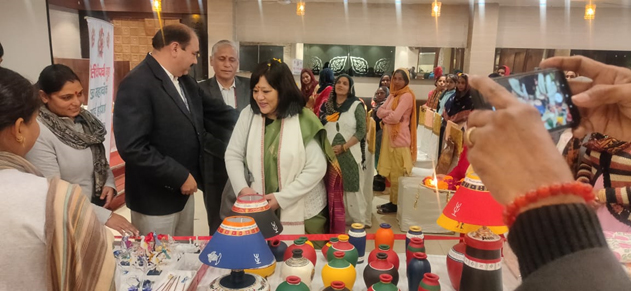
This initiative not only imparted technical skills but also integrated entrepreneurship, financial literacy, and digital marketing to ensure that participants could manage their enterprises independently after completion of the training.
Programme Highlights
| Component | Details |
|---|---|
| Duration | 3-month intensive training (January–March 2025) |
| Beneficiaries | 75 women from 25 SHGs across 3 villages |
| Training Focus | Glass craft techniques, product innovation, quality enhancement, entrepreneurship, and marketing |
| Master Trainers | 5 senior artisans with 20+ years of experience in traditional and contemporary glasswork |
| Supporting Agency | NABARD (Financial Assistance) |
| Implementation Partner | Abhivyakti Foundation in collaboration with DRDA Palwal and HSRLM |
The training combined traditional craftsmanship with innovation, encouraging participants to create unique products that appeal to both domestic and urban consumers.
Comprehensive Skill Development
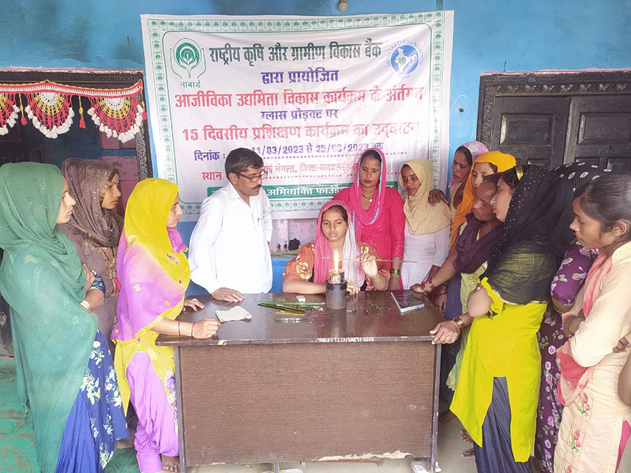
The participants received in-depth, hands-on training covering every aspect of glass artistry and enterprise management:
- • Traditional Glass Blowing & Molding: Learning precision-based shaping, color fusion, and safe handling methods.
- • Modern Etching & Painting: Introducing contemporary glass decoration and surface enhancement techniques.
- • Stained Glass & Restoration: Creating vibrant stained glass art and repairing traditional decorative pieces.
- • Product Design & Finishing: Training in refining aesthetics, durability, and market presentation.
- • Photography & Branding: Product presentation for online and offline platforms.
- • E-commerce & Digital Sales: Understanding ONDC and basic online marketing tools.
- • Entrepreneurial Skills: Costing, pricing, and small business management to sustain their micro-enterprises.
Structured Training Process
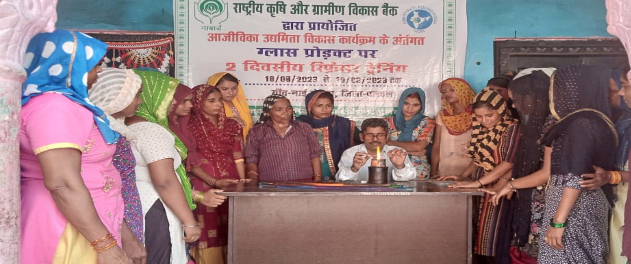
Phase 1: Foundation Building (Weeks 1–3) - Participants were introduced to glass handling, safety measures, and basic tool use. The emphasis was on building confidence and mastering fundamental techniques like cutting, grinding, and polishing. Early achievements, such as producing small decorative pieces, motivated learners to progress confidently.
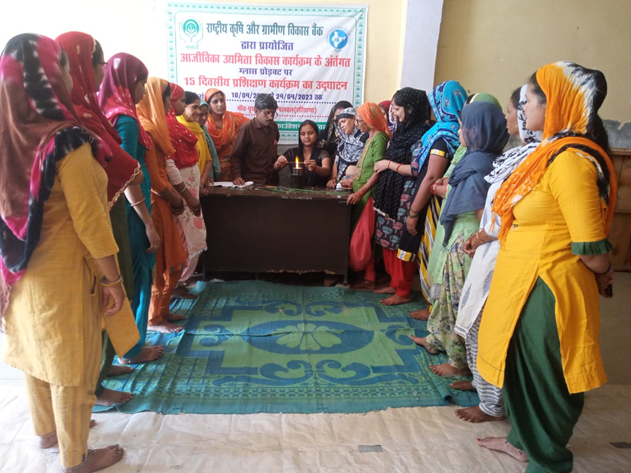
Phase 2: Advanced Craftsmanship (Weeks 4–8) - This stage focused on glass fusion, decorative painting, etching, and stained glass assembly. Women were encouraged to combine Haryanvi cultural patterns with modern aesthetics to produce unique and market-ready designs.
Phase 3: Product Development & Business Management (Weeks 9–12) - Participants developed their own product lines, learned packaging, pricing strategies, and explored consumer preferences. The training also introduced them to basic accounting, SHG enterprise management, and digital marketing skills.
Visible Impact and Achievements
The impact of this LEDP has been transformative, not only in terms of economic gains but also in women’s confidence, social status, and leadership roles within their communities.
| Impact Area | Outcome |
|---|---|
| Micro-Enterprise Formation | 80% of trained women initiated income-generating activities post-training |
| SHG Cluster Development | 10 SHGs established production clusters for bulk and custom orders |
| Market Linkages | 15 participants secured contracts with local retailers and corporate gift suppliers |
| Income Growth | Average monthly income rose from ₹2,500 to ₹8,000 – a 220% increase |
| Social Empowerment | 90% reported increased decision-making roles within families and SHGs |
| Sustainability | 65% are using recycled glass materials, promoting eco-friendly production |
Overall Programme Achievement Rate: 92% (based on skill adoption, enterprise creation, and market participation metrics)
This remarkable transformation demonstrates that structured livelihood interventions can catalyze long-term socio-economic empowerment in rural areas.
Inspiring Transformation: Sunita’s Journey
From Homemaker to Entrepreneur - Sunita Devi, aged 35 from Nai Nagla village, had no prior professional experience before enrolling in the LEDP. Initially hesitant, she soon discovered her hidden artistic potential during the training sessions. Her first creation — a hand-painted glass lamp — became a symbol of her newfound confidence.

Under the mentorship of the trainers, Sunita developed her niche in Haryanvi-style decorative lanterns. She now leads a six-member women’s group producing handcrafted home décor items under the brand “Kiran Glass Art.” Their products are showcased in Gurgaon handicraft outlets and sold through regional e-commerce platforms.
“This training changed my life completely. I never thought I could earn and be recognized for my work,” says Sunita. “Now I manage my own business, my husband supports me, and my children are proud of me.”
Sunita’s journey is emblematic of hundreds of rural women who have discovered self-worth and financial stability through this LEDP.
Market Linkages and Exposure
Abhivyakti Foundation, under NABARD’s guidance, ensured that the artisans were connected with real market opportunities:
- • Direct linkages with Delhi-NCR handicraft outlets
- • Tie-ups with home décor and gifting e-commerce platforms
- • Exposure to craft fairs and exhibitions organized by the Tourism Department
- • Product showcasing opportunities through airport kiosks and corporate gifting events
- • Linkages with hospitality and interior design sectors for bulk procurement
These strategic linkages have ensured a consistent inflow of orders, enhanced product visibility, and built artisans’ confidence in independent marketing.
Ongoing Support and Sustainability
The success of the LEDP goes beyond training; continuous handholding is central to Abhivyakti Foundation’s approach. The following post-training support systems have been put in place:
- • Bi-monthly mentorship sessions for one year
- • Quarterly technical upgradation workshops for design innovation
- • Facilitation of toolkits and micro-loans through local banks
- • Market exposure and fair participation in collaboration with NABARD and DRDA
- • Dedicated digital marketing channels for artisan product promotion
This sustained engagement ensures that artisans continue to grow, adapt to market trends, and build sustainable enterprises.
Environmental Responsibility
A distinctive feature of the program was its emphasis on eco-conscious production practices. Participants were trained to use recycled glass materials, adopt safe waste disposal methods, and implement energy-efficient techniques in production. These measures not only reduce environmental impact but also align with global sustainable craft principles.
Key Learnings and Best Practices Adopted
- • Integrated Skill & Business Approach: Combining craft training with enterprise development has proven more effective than isolated skill building.
- • Market-Driven Curriculum: Training aligned with market trends ensured better employability and sales.
- • Cluster-Based Production: SHG clusters improved collective productivity and bargaining power.
- • Digital Enablement: Introducing artisans to digital platforms created new sales opportunities.
- • Mentorship Model: Periodic guidance helped maintain product quality and consistency.
Future Roadmap: Expanding the Vision
Building on this successful pilot, Abhivyakti Foundation plans to scale the initiative to five more villages in Palwal district and establish a Glass Artisans’ Resource Centre to provide continued technical, marketing, and financial support. The Foundation is also exploring partnerships with handicraft export promotion councils to access international markets for these handcrafted glass products.
Conclusion
The Glass Artisanship LEDP in Palwal, supported by NABARD, stands as a shining example of how skill, dedication, and structured support can transform rural lives. It has redefined women’s empowerment by merging traditional artistry with modern entrepreneurship. The program’s success is reflected not only in the economic upliftment of participants but also in their enhanced social status, confidence, and community leadership.