Link Worker Scheme – Punjab
The Link Worker Scheme (LWS) is a flagship initiative under the National AIDS Control Programme (NACP) Phase-V, aimed at addressing the multi-faceted needs of HIV prevention, care, and support in rural communities. Recognizing the barriers faced by vulnerable populations in accessing healthcare, the scheme deploys a trained, field-level workforce to bring health services, education, and follow-up support directly to the community level. This approach is particularly critical in areas where health infrastructure is sparse, awareness is limited, and stigma around HIV/AIDS persists.

Transforming Rural Health Access in Tarn Taran District
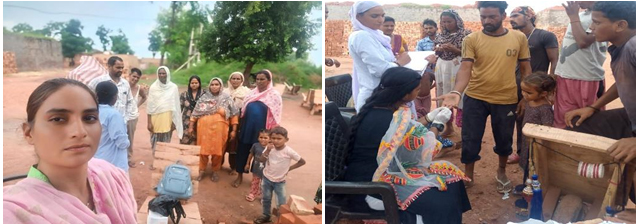
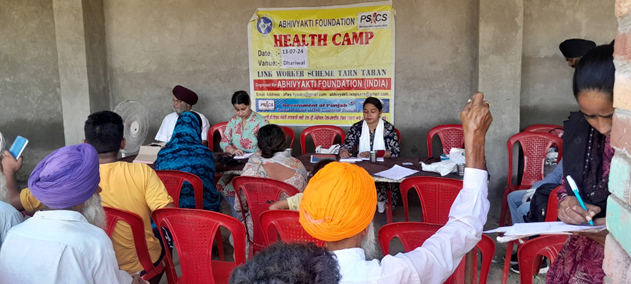
Abhivyakti Foundation has been successfully implementing the Link Worker Scheme across 100 villages in Tarn Taran district, Punjab, impacting over 7,000 beneficiaries. Our team of trained Zonal Supervisors and Cluster Link Workers bridges the gap between rural communities and formal health services, ensuring that information, counseling, testing, and treatment support reach those who need it most. This grassroots approach has not only improved access to healthcare but also empowered communities to actively participate in their health decisions.
Program Approach
The Link Worker Scheme is structured around four pillars: prevention services, access to healthcare, follow-up support, and community empowerment.
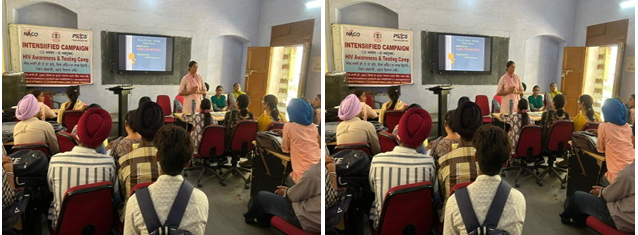
- Prevention Services: Link Workers conduct awareness programs on HIV/AIDS prevention, sexual health, and STI management. They distribute preventive materials and engage in community discussions to correct myths and misinformation. This has led to a noticeable improvement in health literacy across targeted villages.
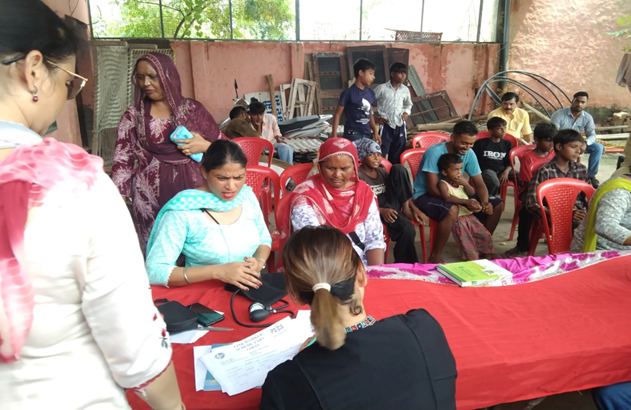
- Access to Healthcare: Workers facilitate connections to ICTC testing centers, ART centers, and STI treatment facilities. By guiding beneficiaries through referral processes and monitoring service uptake, the program ensures continuity of care and timely interventions.
- Follow-up Support: Regular home visits by Link Workers provide personalized support for treatment adherence. Support groups for people living with HIV and affected families offer emotional, social, and health guidance, reducing isolation and promoting well-being.

- Community Empowerment: The program trains local leaders as health advocates, strengthening village-level ownership of health initiatives. By promoting awareness of gender, sexuality, and health rights, Link Workers build community resilience against stigma and discrimination.
Impact and Achievements
The Link Worker Scheme has delivered significant health outcomes in Tarn Taran, as shown below:
| Area of Intervention | Achievements & Impact | Notes & Observations |
|---|---|---|
| Beneficiaries Reached | Over 7,000 individuals across 100 villages received health education and services | Coverage represents ~85% of identified vulnerable populations in the targeted villages |
| Workforce Development | 15 Zonal Supervisors and 100 Cluster Link Workers trained from local communities | Promotes sustainability and community-led health action |
| Awareness & Education | 450 community awareness sessions conducted; 12,000 preventive kits distributed | Knowledge about HIV prevention and sexual health increased by ~60% among adults |
| Healthcare Access | 5,600 beneficiaries facilitated for ICTC testing; 4,200 linked to ART centers | Improved treatment adherence and reduced risk of HIV transmission |
| Follow-up & Support | 2,800 home visits conducted; 1,200 individuals engaged in support groups | Enhanced treatment adherence and psychosocial support |
| Community Empowerment | 50 local leaders trained as health advocates; advocacy campaigns reached all 100 villages | Strengthened community networks to combat stigma |
Identified Challenges and Areas for Improvement
While the program has achieved considerable success, certain gaps remain that need to be addressed for even greater impact:
- 1. Limited Workforce Coverage: Despite training 100 Link Workers, some remote villages still have insufficient coverage, limiting the reach of awareness campaigns and follow-up services. Expanding the workforce could increase outreach to all high-risk individuals.
- 2. Monitoring and Data Management: Current data collection relies heavily on manual reporting, which can delay timely interventions. Introducing digital monitoring tools and real-time tracking can improve program responsiveness and data accuracy.
- 3. Youth-Focused Interventions: Adolescents and young adults remain a vulnerable group with limited access to sexual health information. Developing dedicated youth programs can prevent early exposure to risk behaviors.
- 4. Community Stigma: While awareness has improved, stigma and discrimination persist in some areas, discouraging beneficiaries from seeking services. Additional sensitization campaigns and community dialogue initiatives are needed.
- 5. Integration with Broader Health Programs: The scheme currently focuses primarily on HIV-related services. Integrating Link Workers with maternal and child health, nutrition, and mental health programs can provide more holistic community health outcomes.
- 6. Resource Limitations: Some Link Workers report challenges in reaching distant or geographically difficult villages due to lack of transportation and logistical support. Improving resources and infrastructure will enhance program efficiency.
Stories of Change
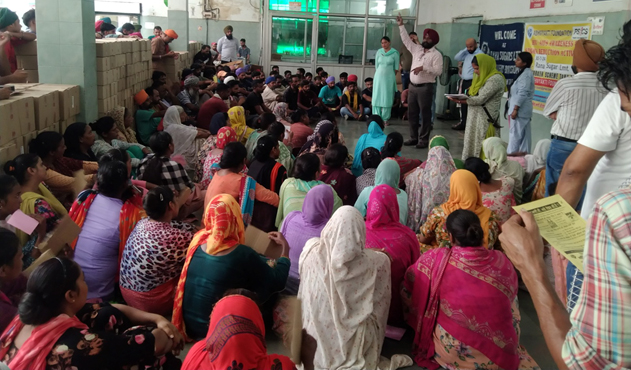
Impact is reflected not just in numbers but in lives transformed. One villager shared: "Before the Link Workers came to our village, we had no information about HIV prevention or where to get tested. Now, our entire community understands the importance of health check-ups and supporting those in need."
Such experiences highlight the combined effect of knowledge, access, and social empowerment, showing how sustained engagement can shift community behavior, reduce stigma, and foster healthier, informed populations.
Opportunities for Program Enhancement
To maximize outcomes, the program is focusing on:
- Expanding the workforce to reach remote or underserved villages.
- Implementing digital monitoring systems for real-time tracking of service delivery and treatment adherence.
- Developing adolescent-focused interventions for awareness and early prevention.
- Strengthening community engagement to address persistent stigma and enhance support networks.
- Integrating with other health programs for holistic community well-being.
- Providing logistical support to Link Workers to improve reach and efficiency.
Join Our Mission
Abhivyakti Foundation’s Link Worker Scheme demonstrates how grassroots efforts can bridge the healthcare gap in rural Punjab. With sustained commitment, strategic partnerships, and enhanced program strategies, we can ensure that vulnerable populations not only access services but are empowered to make informed health choices.
Partner With Us
We invite government agencies, NGOs, and corporate partners to collaborate in scaling this life-changing initiative. Together, we can build healthier, resilient, and empowered rural communities.