HIV-STI and TB Awareness Campaign in Ghaziabad Villages
Campaign Overview
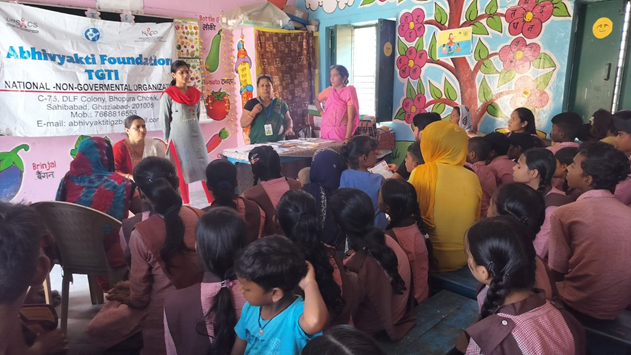
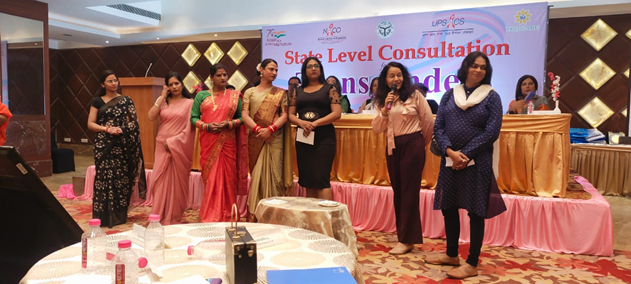
Abhivyakti Foundation recently organized a comprehensive health awareness campaign focusing on HIV, Sexually Transmitted Infections (STIs), and Tuberculosis (TB) in five villages of Ghaziabad district — Mahmoodpur, Ristal, Nistauli, Dharipur, and Ajampur. Guided by the principle “Prevention is better than cure,” this initiative aimed to spread accurate health information, dispel misconceptions, and promote preventive and curative healthcare behaviors among rural communities. Over the course of the campaign, the outreach team successfully engaged with more than 500 individuals across diverse age groups, ensuring that vital information reached not only men and women but also youth and elderly community members.
Objectives of the Campaign
The primary objectives of the campaign were to:
- 1. Increase community-level understanding of HIV, STIs, and TB transmission, symptoms, and treatment options.
- 2. Reduce stigma, fear, and discrimination associated with these diseases.
- 3. Encourage early testing, diagnosis, and adherence to treatment.
- 4. Connect vulnerable groups and at-risk individuals to nearby healthcare and diagnostic facilities.
- 5. Promote preventive practices and community participation in sustaining public health awareness.
Each session was designed with these goals in mind, ensuring that information was both scientifically accurate and culturally appropriate, enabling people to understand, relate to, and act upon it.
Activities Conducted
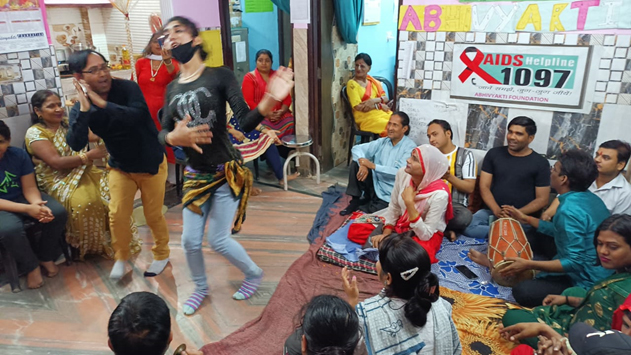
1. Educational and Awareness Sessions - Interactive sessions were conducted in each village covering the fundamentals of HIV, STIs, and TB. Facilitators discussed transmission routes, common myths, and practical prevention methods, including safe sexual behavior and hygienic living conditions. Emphasis was placed on the importance of early testing, adherence to treatment, and the role of nutrition and family support in recovery. Participants were also informed about available government schemes and healthcare services such as free ART (Antiretroviral Therapy) and TB treatment under the National TB Elimination Programme.
2. Community Engagement and Mobilization - The sessions encouraged open dialogue through group discussions and question–answer rounds, creating a safe space for community members to express doubts and fears. Health workers and peer educators shared real-life experiences and success stories that motivated participants to adopt safer practices. Educational pamphlets and posters in Hindi were distributed to more than 200 households, enabling families to retain and share knowledge. Demonstrations were conducted to illustrate the correct use of condoms and hygiene practices for TB prevention. Youth and women’s groups were mobilized to act as village-level ambassadors for health promotion.
3. Testing, Referral, and Linkages - Confidential testing for HIV and TB was facilitated for those willing to participate. Individuals requiring medical attention were referred to nearby government health centers and Integrated Counselling and Testing Centres (ICTCs). Follow-up mechanisms were established to ensure that those who underwent testing received proper guidance and care. The campaign also helped build stronger linkages between community members and primary health workers (ASHAs, ANMs, and Anganwadi workers), ensuring long-term sustainability.
Impact and Reach
The campaign achieved significant quantitative and qualitative outcomes.
- 500+ individuals directly reached through awareness and group sessions.
- 200+ households provided with educational material in Hindi.
- 5 large-scale village-level meetings conducted across all targeted locations.
- Screening and referrals facilitated for interested individuals.
- Direct linkages established with local healthcare providers and government health centers.
Beyond numbers, the campaign’s true success lay in the behavioral change and attitude shift it generated. Many participants expressed that for the first time they understood that HIV and TB are treatable conditions and not social taboos. Several youths volunteered to act as “peer educators” within their own communities, signifying ownership of the message.
Social Impact
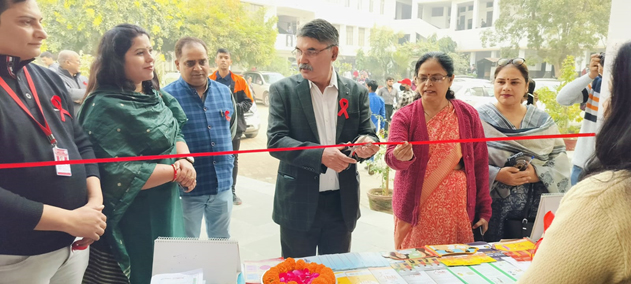
The campaign helped break long-standing barriers of silence and stigma surrounding sexual health and infectious diseases. By normalizing open discussions on these topics, communities developed a healthier, more empathetic outlook towards affected individuals. Women, who often hesitate to seek information on sexual health, actively participated in the sessions and began advocating for family-level discussions. The initiative strengthened the confidence of local leaders and youth to act as information multipliers, creating a ripple effect of awareness. As a result, community solidarity and mutual support increased, helping to reduce isolation and discrimination against individuals with HIV or TB.
Economic Impact
From an economic perspective, the campaign indirectly contributed to reducing the financial burden of disease by promoting early detection and treatment. Timely diagnosis prevents severe illness and loss of livelihood, especially among daily wage earners and agricultural laborers. By emphasizing prevention, hygiene, and nutrition, families learned practical ways to safeguard their health without incurring additional expenses. Reduced absenteeism and improved productivity further strengthen household-level economic stability. The collaboration with government health services ensures that treatment remains accessible and free, minimizing out-of-pocket healthcare costs for low-income families.
Overall Impact and Sustainability
Overall, the HIV-STI-TB Awareness Campaign generated a measurable shift in both awareness and behavior within the five target villages. Participants demonstrated improved understanding of disease prevention and a stronger willingness to seek medical advice when needed. The campaign also enhanced coordination between communities and local health infrastructure, ensuring that knowledge translated into action. Importantly, it built a foundation for sustained community-driven health promotion through trained peer educators, self-help group involvement, and continued partnerships with local health workers.
The campaign’s visibility was further enhanced through banners, posters, and collaboration with local Panchayats, ensuring community ownership. Follow-up visits and reinforcement sessions are planned in the coming months to deepen the impact, monitor behavioral changes, and provide ongoing health education to vulnerable populations.
Community Voices
Villagers consistently praised the campaign for its respectful and inclusive approach. Many shared that they now feel comfortable discussing these health issues openly and are better informed about preventive steps. A community leader from Nistauli village remarked, “This session helped our village understand that these diseases can affect anyone, and that support rather than stigma is the need of the hour.” Such testimonials reflect the transformation the campaign sought — from fear and misinformation to awareness and compassion.
Moving Forward and Call to Action
Abhivyakti Foundation remains deeply committed to continuing health education in Ghaziabad and other rural regions. Future plans include periodic follow-ups, refresher sessions, and integration of HIV-STI-TB awareness into broader community health and livelihood initiatives.
We invite individuals, organizations, and volunteers to partner with us in this ongoing effort. You can contribute by:
- 1. Contacting our outreach team for collaboration and partnership opportunities.
- 2. Volunteering in awareness and follow-up campaigns.
- 3. Supporting donations for educational materials, testing kits, and logistics.
Together, we can create healthier, informed, and stigma-free communities — where every individual is empowered to protect their health and support others with dignity and compassion.