PWID Targeted Intervention – Amritsar
Implemented by: Abhivyakti Foundation
Supported by: Punjab State AIDS Control Society (PSACS)
Overview
The PWID Targeted Intervention Project in Amritsar , implemented by Abhivyakti Foundation, is designed in line with the National AIDS Control Organization (NACO) guidelines and global best practices for harm reduction. The project emphasizes confidentiality, dignity, and respect for every individual, ensuring that marginalized and high-risk populations receive comprehensive, stigma-free services.

This initiative addresses the multifaceted challenges faced by People Who Inject Drugs (PWID)—a community highly vulnerable to HIV and Hepatitis C infections. The project combines health services, harm reduction strategies, psychosocial care, and rehabilitation linkages to create a holistic support system that empowers individuals toward safer living and social reintegration.
Comprehensive Support for People Who Inject Drugs
Abhivyakti Foundation’s TI project in Amritsar currently reaches over 1,100 active PWID clients across the district. Through sustained field presence, the team ensures that individuals who are often excluded from mainstream healthcare systems receive the information, tools, and linkages they need to protect their health and wellbeing.
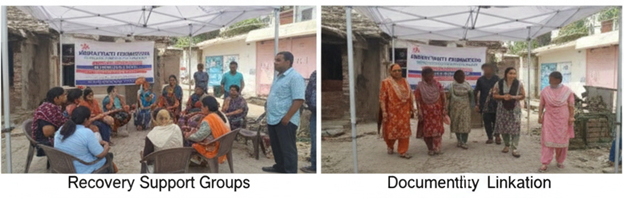
The intervention is implemented through peer-led outreach, community mobilization, drop-in centre (DIC)-based services, and strong partnerships with public health institutions and de-addiction centers.
Core Service Components
1. Harm Reduction Interventions
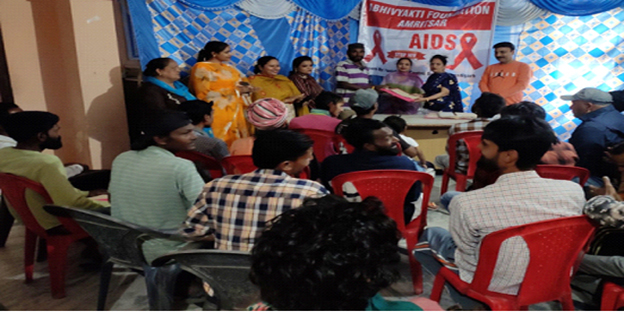
At the heart of the program is harm reduction—an approach that prioritizes safety, dignity, and practical risk minimization. Through the Needle and Syringe Exchange Programme (NSEP) and distribution of safe injection kits, the project has successfully reduced unsafe injection practices among beneficiaries. Field educators conduct consistent community sessions on safe injecting, abscess prevention, and overdose management.
Impact Highlight: Over 85% of regular beneficiaries report a reduction in needle-sharing behavior, and nearly 90% now utilize safe disposal options provided by outreach workers.
| Key Component | Outcome Achieved |
|---|---|
| Safe injection kits distributed monthly | 12,000+ |
| Needle/syringe reuse reduction | 85% decline |
| Clients trained on overdose management | 950 beneficiaries |
| Abscess management sessions conducted | 120+ community sessions annually |
2. Health Services and Medical Linkages

The health component provides direct medical services, screenings, and treatment linkages. Beneficiaries receive regular HIV, Hepatitis B & C, and STI testing, along with TB screening and wound management support. Clients diagnosed as HIV-positive are linked with ART centres, and follow-ups ensure treatment adherence.
Impact Highlight: About 92% of HIV-positive clients are successfully enrolled in ART, while 80% of those referred for TB screening received complete follow-up care.
This integrated approach has enhanced health-seeking behaviour, reduced infection transmission risks, and improved early diagnosis and care outcomes.
| Health Service | Achievement / Impact |
|---|---|
| HIV testing coverage among registered clients | 100% |
| ART enrolment among HIV-positive PWID | 92% |
| Hepatitis B/C screening coverage | 87% |
| TB screening and treatment referrals | 80% completed |
| Health camps organized annually | 25+ multiservice camps |
3. Addiction Treatment and Recovery Support
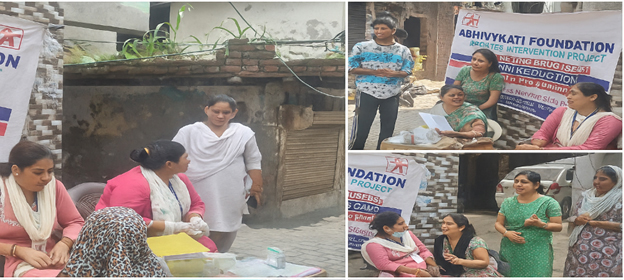
Recognizing that harm reduction and recovery are parallel pathways, the project links clients to Opioid Substitution Therapy (OST), detoxification, and rehabilitation services. Outreach workers provide motivational counseling, while the DIC hosts regular recovery support groups and relapse prevention sessions.
Impact Highlight: Approximately 40% of PWID enrolled in OST show consistent adherence, and nearly 60% of those linked to detox or rehab programs maintain follow-up visits—an encouraging sign of growing trust and motivation within the community.
These achievements reflect the project’s success in combining compassion with evidence-based recovery support.
4. Psychosocial and Family Support
The psychosocial component is a cornerstone of the Amritsar TI project. Trained counselors provide individual and group counseling, mental health screening, and crisis intervention. Family counseling sessions strengthen social reintegration and promote understanding between clients and their support networks.
Additionally, through collaboration with legal aid partners and welfare departments, clients are assisted in accessing social entitlements, identity cards, and rehabilitation grants, helping rebuild stability and dignity.
Impact Highlight: Nearly 75% of clients who received psychosocial counseling report improved emotional wellbeing, and 68% have re-established family contact or support.
Community-Led Implementation Approach

A defining feature of the project is its peer-led model—where outreach is conducted by individuals with lived experience of drug use. This builds credibility, breaks stigma, and ensures that messages resonate authentically.
The Drop-In Centre (DIC) in Amritsar serves as a safe space for rest, interaction, and access to essential services. Daily activities include awareness sessions, health camps, peer discussions, and community meetings.
Through this model, the project nurtures leadership within the PWID community, turning former users into advocates of safe and healthy living.
Client Testimonial
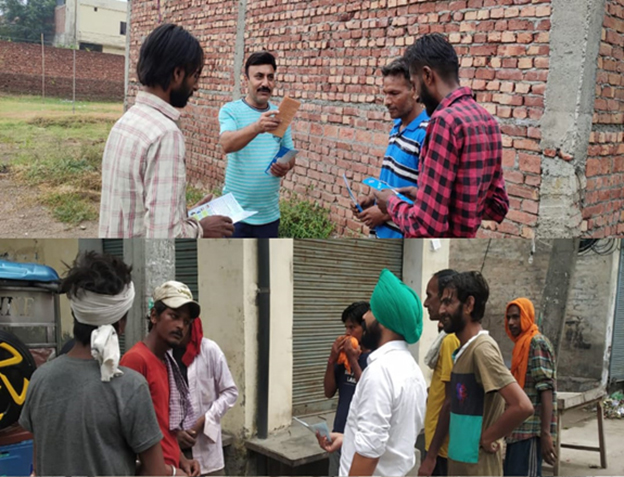
“After years of injecting drugs, I had almost given up hope. The outreach team from Abhivyakti Foundation approached me with respect and without judgment. They helped me with clean needles, medical checkups, and guided me to start OST. Today, I’m a peer educator, helping others make safer choices and rebuild their lives.” — Peer Educator, Amritsar TI Project
Collaborative Partnerships and Institutional Support
The success of the PWID TI project rests on strong institutional and community partnerships.
Key Collaborations Include:
- 1. Punjab State AIDS Control Society (PSACS)
- 2. District Hospital, Amritsar
- 3. OST Centres and Local De-addiction Clinics
- 4. Community Stakeholders and Peer Networks
- 5. Law Enforcement Sensitization and Advocacy Programs
Through joint review meetings, training sessions, and convergence activities, the project ensures effective referral systems, mutual accountability, and continuous quality improvement.
Program Impact and Key Achievements
The Amritsar PWID TI has demonstrated measurable social and health impact through consistent outreach, trust-building, and evidence-based interventions.
| Impact Area | Impact Area Achievements |
|---|---|
| HIV prevention and harm reduction | Over 85% reduction in unsafe injection practices |
| Health linkage success | 92% ART enrolment and 87% Hepatitis screening coverage |
| Recovery pathway creation | 60% adherence to detox/rehab follow-ups |
| Psychosocial wellbeing | 75% clients report improved mental and emotional health |
| Family and community reintegration | 68% clients restored family connections |
| Peer-led community empowerment | 30 active peer educators from within PWID community |
Breaking Barriers, Building Hope
The Abhivyakti Foundation’s TI project for PWID in Amritsar goes beyond conventional public health interventions. It is a movement of empathy, inclusion, and transformation—helping individuals navigate their journey from risk to resilience.
By blending practical harm reduction services with compassionate human connection, the program creates sustainable change—not only reducing infections but restoring dignity, trust, and hope.
Pathways for Future Strengthening
To further improve impact and reach, the project has identified key enhancement strategies:
- 1. Introducing mobile medical outreach vans for remote coverage
- 2. Expanding mental health and rehabilitation linkages
- 3. Enhancing family-based interventions to improve reintegration outcomes
- 4. Increasing peer educator leadership development programs
- 5. Strengthening digital monitoring and data-driven outreach efficiency
With these continued improvements, Abhivyakti Foundation remains committed to ensuring that every person who injects drugs in Amritsar has access to safety, care, and a path to recovery.