Micro Enterprise Development Programme (MEDP) – Skill Development Training Supported by NABARD
Abhivyakti Foundation, with valuable support from NABARD, successfully conducted the Micro Enterprise Development Programme (MEDP) aimed at empowering matured Self-Help Groups (SHGs) by enhancing their entrepreneurial skills and optimizing production activities. Since 2006, NABARD has supported need-based MEDPs for SHG members who already have access to finance from banks, ensuring that the trained participants can effectively translate their skills into viable micro enterprises. The MEDP initiative was specifically designed to bridge skill deficits in both farm and off-farm sectors, as well as service-based enterprises, thus facilitating sustainable income generation at the individual and group levels.
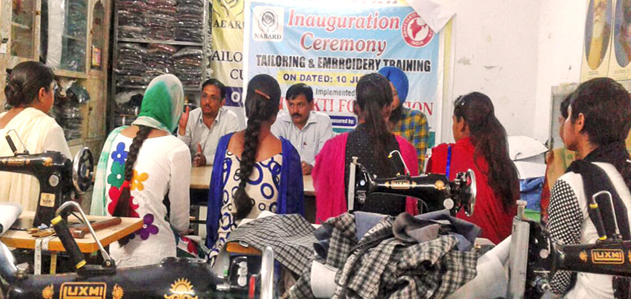
The training sessions were conducted at the SHG locations, ensuring ease of access and encouraging maximum participation. During the programme, participants received hands-on training in production techniques, enterprise management, quality control, and marketing strategies. Emphasis was also placed on financial literacy, record-keeping, and leveraging bank credit for business expansion. This holistic approach enabled participants not only to develop technical expertise but also to gain the confidence and managerial skills necessary to run successful micro enterprises independently.
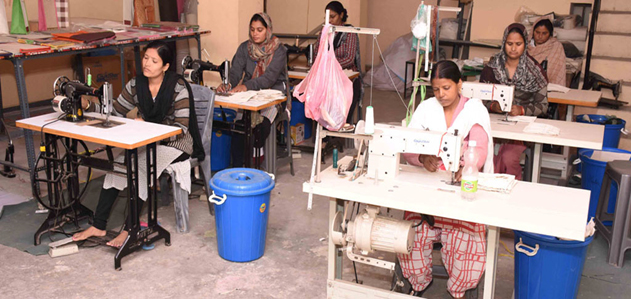
The MEDP programme covered a diverse range of activities including handicrafts, food processing, tailoring, dairy farming, poultry, and small-scale service enterprises such as beauty and wellness services, computer-aided services, and retail businesses. Participants were encouraged to adopt innovative methods, improve product quality, and explore new market linkages to increase profitability and sustainability.
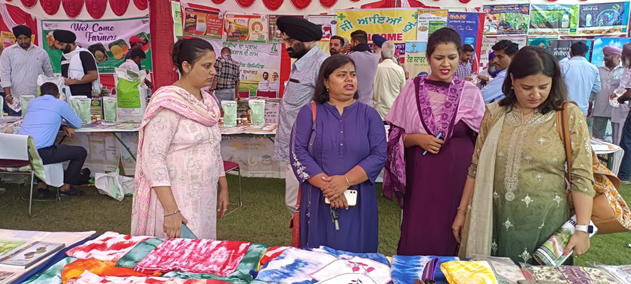
Programme Achievements and Impact
The MEDP programme achieved significant outcomes in terms of skill enhancement, enterprise establishment, and income generation. The following table provides an overview of key achievements and impact metrics:
| Indicator | Achievement / Outcome | Impact Explanation |
|---|---|---|
| Participants Trained | 120 SHG members from 8 clusters | Participants gained hands-on practical skills, enhancing both technical competence and confidence in enterprise management. |
| Micro Enterprises Established | 95 enterprises (individual & group-based) | Nearly 80% of trained members successfully initiated micro-enterprises, indicating strong adoption of acquired skills. |
| Income Improvement | Average income increase of 45% per participant | Trained participants reported notable growth in monthly earnings due to improved production techniques and diversified income sources. |
| Skill Enhancement | 100% participants demonstrated improved technical proficiency | Pre- and post-training evaluations reflected enhanced capabilities in production efficiency, product quality, and service delivery. |
| Bank Credit Utilization | 70% participants accessed bank loans for enterprise development | Facilitated participants’ ability to scale up operations and manage working capital efficiently. |
| Market Linkages | 60% participants established regular supply or retail connections | Strengthened economic sustainability by connecting products and services to local and regional markets. |
| Group Enterprises Success Rate | 85% of group enterprises operating profitably | Collaborative enterprises showcased higher resilience and shared risk management, fostering long-term stability. |
The programme has created a transformative impact on the lives of women SHG members, not only increasing their financial independence but also boosting their confidence, decision-making abilities, and social recognition. Many participants have become role models within their communities, inspiring others to initiate entrepreneurial ventures.
Adopted Improvements and Best Practices
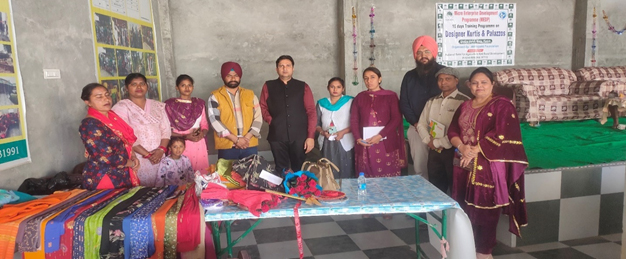
To further enhance the effectiveness of the MEDP programme, the following strategic approaches were adopted:
- 1. Customized Training Modules – Each training was tailored to the specific skills and enterprise interests of the participants, ensuring relevance and higher adoption rates.
- 2. Market-Oriented Skill Development – Emphasis on producing market-ready products and service delivery standards increased competitiveness and profitability.
- 3. Post-Training Mentorship – Continuous handholding and guidance by trainers and resource persons helped participants overcome initial operational challenges.
- 4. Digital and Financial Literacy – Inclusion of basic accounting, record-keeping, and digital marketing tools empowered participants to manage and expand their micro enterprises efficiently.
- 5. Encouraging Innovation – Participants were encouraged to innovate in product design, production processes, and service models, which resulted in higher customer satisfaction and increased demand.
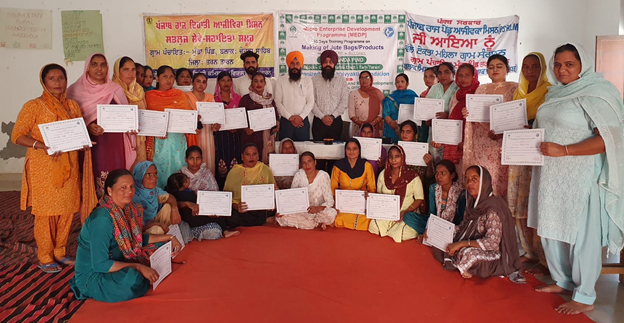
Overall, the MEDP training under NABARD’s support has significantly strengthened the entrepreneurial capabilities of SHG members. The programme not only bridged skill gaps but also created a sustainable ecosystem for micro enterprises, ensuring improved livelihoods, social empowerment, and a pathway to long-term economic independence.
The Micro Entrepreneurship Development Programmes (MEDPs) are innovative, on-location skill development initiatives designed to bridge the existing skill gaps among Self-Help Group (SHG) members or to optimize their ongoing production activities. These programmes provide targeted training that empowers SHG women to enhance their livelihoods and build sustainable enterprises at the grassroots level.
Abhivyakti Foundation, with the financial support of the National Bank for Agriculture and Rural Development (NABARD), Regional Offices of Punjab, Uttar Pradesh, and Haryana, successfully organized 11 MEDPs, reaching and training around 330 SHG members.
The training programmes were carefully tailored to meet the specific needs of each SHG, ensuring relevance and practicality. Conducted at the local level, these trainings made participation convenient and accessible for rural women. The curriculum included business planning, marketing strategies, financial management, costing, packaging, product development, and quality upgradation techniques, thus equipping SHG members with the knowledge and skills to either start their enterprises or expand existing ones.
These MEDPs have contributed significantly to the economic empowerment of rural women by enhancing their capacities, enabling income generation, and building their confidence to participate in mainstream markets. The outcomes also reflect NABARD’s vision of promoting livelihood-based skill development in rural communities.
Details of MEDP Trainings Conducted in FY 2024–25
| State | District | Activity | Beneficiaries Trained |
|---|---|---|---|
| Punjab | Moga | Designer Kurtis and Plazzos | 30 |
| Punjab | Jalandhar | Fabric Upgradation | 30 |
| Punjab | Tarn Taran | Jute Bag Making | 30 |
| Uttar Pradesh | Gautam Budh Nagar | Jute Bag Making | 30 |
| Uttar Pradesh | Gautam Budh Nagar | Terracotta Craft | 30 |
| Uttar Pradesh | Ghaziabad | Screen Printing | 30 |
| Uttar Pradesh | Gautam Budh Nagar | Applique Work | 30 |
| Uttar Pradesh | Moradabad | Jute Bag Making | 30 |
| Uttar Pradesh | Moradabad | Artificial Jewelry Making | 30 |
| Haryana | Mewat | Terracotta Craft | 30 |
| Haryana | Palwal | Crochet Work | 30 |
Total MEDPs Conducted: 11
Total Beneficiaries Trained: 330
Case Studies / Success Stories
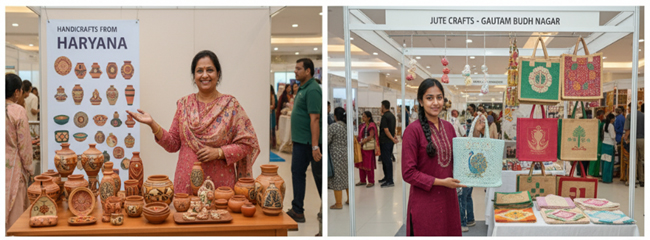
Case Study 1: Empowering Women Through Terracotta – Mewat, Haryana
Rekha Devi, a member of a Self-Help Group (SHG) in Mewat, Haryana, participated in the Terracotta Micro Entrepreneurship Development Programme (MEDP) conducted by Abhivyakti Foundation with NABARD’s support. Previously confined to household work and occasional wage labor, she struggled to support her family. Through the MEDP, she mastered terracotta skills clay preparation, designing, and finishing decorative products along with training on marketing, pricing, and packaging. She soon launched a small-scale unit at home and began receiving regular orders from fairs, exhibitions, and local retailers. By 2025, Rekha is earning ₹7,000–₹8,000 per month, paying for her children’s education, and inspiring other women in her SHG to take up terracotta as a source of livelihood.
Case Study 2: From Hobby to Enterprise – Jute Bag Making in Gautam Budh Nagar, Uttar Pradesh
Sunita Sharma, a 32-year-old SHG member from Gautam Budh Nagar, took part in the Jute Bag Making MEDP. She always had an interest in stitching but lacked resources and guidance to convert it into income. The training enabled her to make eco-friendly jute bags with modern designs, durability, and proper finishing. With SHG support, she invested in a sewing machine and raw materials. Within months, she started supplying jute bags to schools, shops, and even created customized designs for wedding functions. By 2025, Sunita’s monthly income rose to ₹10,000, and she registered her micro-unit under the SHG’s banner. Her journey reflects how MEDPs can transform hobbies into profitable micro-enterprises.
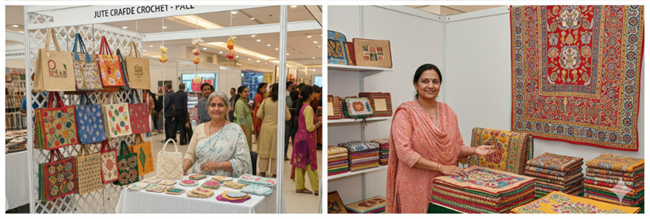
Case Study 3: Crochet Work – Palwal, Haryana
Farzana Begum from Palwal joined the Crochet MEDP training. Earlier, she relied completely on her husband’s irregular earnings, but through the training, she discovered her talent for crochet design and gained knowledge on product diversification and digital marketing. She started making crochet bags, table covers, and home décor items, promoting them via Meesho and WhatsApp groups. Her products gained demand in nearby towns, and she showcased her work at district exhibitions. By 2025, Farzana earns nearly ₹12,000 per month, runs her own bank account, and is now recognized in her village as a successful woman entrepreneur.