Organic Farming – Building a Sustainable Agricultural Ecosystem
Organic farming is not a new concept it has its roots deeply embedded in India’s ancient agricultural traditions, where farmers relied on natural cycles and organic matter to maintain soil fertility and crop health. The Harjot Agro Producer Company Limited (FPO), with the support of Abhivyakti Foundation and NABARD, aims to revive and strengthen this time-tested system by integrating it with modern scientific knowledge and market linkages. The core philosophy of organic farming under this initiative is to nurture the soil as a living system, enhance biodiversity, and ensure food security through sustainable, chemical-free cultivation practices.
Organic farming is a holistic system of cultivation that promotes harmony between people, crops, animals, and the environment.
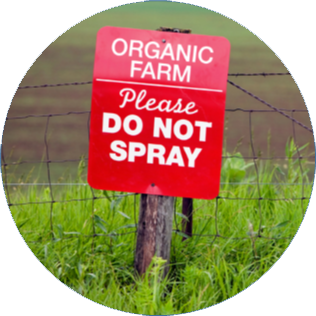
Instead of relying on chemical fertilizers and synthetic pesticides, this method uses organic wastes such as crop residues, animal manure, compost, green manure, and farmyard waste, along with biofertilizers and beneficial microorganisms that enrich soil fertility and release nutrients naturally. The approach not only helps in maintaining soil health and moisture balance but also reduces pollution and preserves the ecological balance of the farming ecosystem. Through this initiative, Harjot Agro FPO seeks to demonstrate that it is possible to achieve high productivity, better quality produce, and sustainable livelihoods without compromising environmental health.
Objectives of Organic Farming Initiative
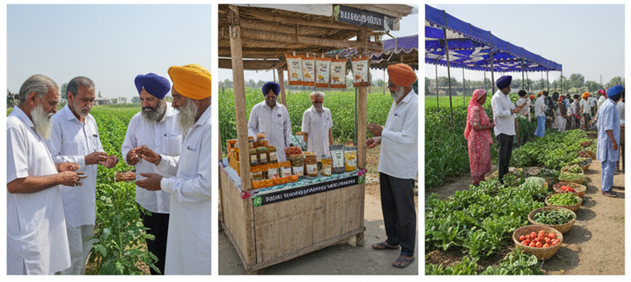
1. Promotion of Organic Farming through Technical Capacity Building The primary objective is to promote organic farming practices among farmers through continuous technical training and capacity-building sessions. Farmers are provided with practical knowledge on preparing compost, vermicompost, bio-pesticides, green manuring, and other organic inputs that can replace chemical fertilizers. The program also emphasizes human resource development building a pool of trained local resource persons who can provide on-ground technical guidance to fellow farmers. Demonstration plots and exposure visits to successful organic farms are organized to build confidence and enhance practical understanding. Moreover, the FPO focuses on transfer of technology introducing cost-effective and locally adaptable innovations in soil management, pest control, and crop diversification to ensure long-term sustainability.
2. Awareness Creation and Publicity through Media and Community Outreach Creating widespread awareness about the benefits of organic farming is crucial for its acceptance and scalability. The FPO conducts awareness campaigns, farmer meetings, field days, and exhibitions, supported by both print and electronic media. Information materials such as pamphlets, training manuals, and digital videos are used to educate farmers and consumers about the advantages of organic produce, environmental safety, and health benefits. The awareness drive also focuses on consumer sensitization, helping build a local demand for organic products which can further motivate farmers to adopt and sustain organic farming practices.
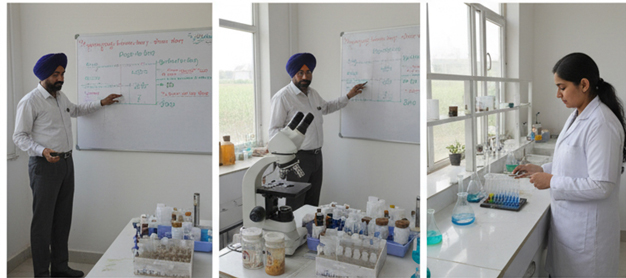
3. Quality Assurance and Laboratory Support for Organic Inputs To ensure authenticity and effectiveness, Harjot Agro Producer Company aims to act as a nodal quality control and testing center for organic fertilizers, biofertilizers, and soil health management. The laboratory will function as a support unit to analyze organic inputs as per the Fertilizer Control Order (FCO) and other regulatory standards. By providing quality testing services, the FPO ensures that only certified and high-quality organic inputs are used by farmers, thereby maintaining consistency and reliability in production. This quality assurance mechanism also helps in building consumer trust and facilitates certification and branding of organic products, enabling farmers to access premium markets and fetch better prices.
Long-Term Vision
Through the organic farming initiative, Harjot Agro Producer Company Limited envisions creating a self-sustaining organic farming ecosystem in the region. The goal is to transform chemical-dependent agriculture into a knowledge-based, eco-friendly, and profitable organic production system. By integrating farmers’ traditional wisdom with scientific support, ensuring market linkages for organic produce, and establishing quality assurance infrastructure, the FPO aims to position Moga as a model district for sustainable agriculture. This initiative not only protects natural resources but also enhances farmers’ income, promotes rural entrepreneurship, and contributes to the larger mission of “Healthy Soil, Healthy Food, Healthy Life.”
Expected Outcomes and Benefits to Farmers
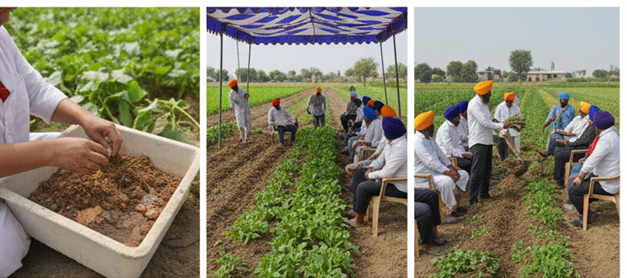
The implementation of the Organic Farming Initiative under Harjot Agro Producer Company Limited is expected to generate multiple tangible and long-term benefits for the member farmers as well as for the surrounding environment. By adopting organic farming practices, farmers will witness a gradual improvement in soil fertility, moisture retention, and overall soil health, leading to sustainable and stable crop productivity over time. The use of compost, biofertilizers, and organic pest management solutions will significantly reduce dependence on chemical inputs, thereby lowering the cost of cultivation and improving profit margins.

In the medium to long term, the initiative will result in the production of safe, chemical-free, and high-quality food products, which will fetch premium prices in local and regional markets. With proper branding and certification support from the FPO, farmers will gain access to specialized organic markets, increasing their income by 20–30% compared to conventional produce. Additionally, the collective approach promoted by the FPO will help farmers benefit from economies of scale, organized procurement of inputs, and collective marketing of their products.
Beyond financial gains, the project will also contribute to environmental sustainability by reducing soil and water pollution, conserving biodiversity, and enhancing the resilience of the farming system against climate variations. The initiative will create employment opportunities in composting units, organic input production, certification, packaging, and marketing, particularly benefiting women and rural youth.
Overall, the organic farming initiative will transform the participating farmers from chemical-dependent cultivators into eco-conscious, self-reliant, and market-ready organic producers. It will build a strong foundation for a resilient rural economy that aligns with the national vision of sustainable agriculture and healthy living.