
Project Sanjeevani – Pond Renovation & Rain Water Harvesting
An Integrated Water Management Initiative by Abhivyakti Foundation
Location: Villages of Jharli, Jhamri, and Sehlanga – Jhajjar District, Haryana
Duration: August 2022 – March 2024
Funding Partner: Jhajjar Power Plant (CLP India Pvt. Ltd.)
Financial Outlay: ₹1.82 Crore
Project Overview
Water scarcity remains one of the most pressing challenges in rural India, and Jhajjar district of Haryana is no exception. Over the years, erratic rainfall, poor water infrastructure, and declining groundwater levels have severely affected agricultural productivity and domestic water supply in several villages. Traditional water bodies that once acted as natural storage and recharge systems had gradually silted up and lost their functional value. Recognizing this critical need, Abhivyakti Foundation, with CSR support from Jhajjar Power Plant (CLP India Pvt. Ltd.), conceptualized and implemented Project Sanjeevani — an integrated initiative aimed at reviving village ponds, restoring community wells, and promoting decentralized wastewater treatment through community participation.
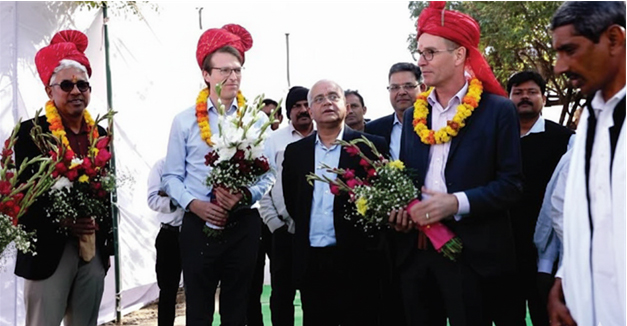
The project sought to rejuvenate traditional water structures, increase water retention capacity, and establish sustainable water management practices that combine engineering, ecology, and community ownership. The interventions were spread across three villages — Jharli, Jhamri, and Sehlanga — and executed in two operational phases: Jharli and Jhamri in 2023, followed by Sehlanga and well renovations in 2024. The initiative also included plantation drives, community awareness, and technical maintenance support for ensuring long-term functionality.
Objectives of Project Sanjeevani
The primary objectives of Project Sanjeevani were to restore and strengthen the region’s traditional water infrastructure, while enhancing groundwater recharge and sustainable water usage practices. Specifically, the project aimed to:
- 1. Rejuvenate neglected ponds and wells to improve water accumulation and storage.
- 2. Introduce decentralized wastewater treatment using Anaerobic Baffled Reactor (ABR) technology.
- 3. Promote irrigation efficiency and agricultural productivity through improved water access.
- 4. Strengthen community awareness, ownership, and capacity in water conservation and resource management.
Phase-Wise Interventions
Phase I (2023): Pond Renovation in Jharli & Jhamri
In 2023, Abhivyakti Foundation undertook renovation works in the villages of Jharli and Jhamri. Both ponds had suffered from years of siltation, reduced storage depth, and structural degradation. Through detailed surveying and participatory planning with the Gram Panchayats, the ponds were desilted, embankments rebuilt, and inlet and outlet structures repaired.

Comparative Description of Jhamri Pond (Technical Details)
| Sr. No. | Description | Unit | Before Work | After Work | Improvement |
|---|---|---|---|---|---|
| A. | Pond Dimensions | ||||
| 1 | Length | Metre | 70 | 80 | +10 m |
| 2 | Breadth | Metre | 32 | 30 | –2 m (optimized for depth) |
| 3 | Area | Sq. metre | 2,240 | 2,400 | +160 sqm |
| B. | Depth & Volume | ||||
| 4 | Depth | Metre | 1.5 | 3.0 | Doubled |
| 5 | Storage Volume | Cu. metre | 3,360 | 7,200 | +3,840 Cu.m |
| 6 | Total Water Holding | Cu. metre | 3,360 | 10,560 | +7,200 Cu.m (214% increase) |
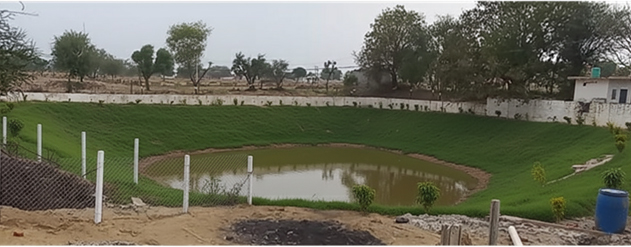
The Jhamri pond’s capacity more than tripled from 3,360 cubic metres to 10,560 cubic metres, leading to a 214% increase in water retention. The new embankment and silt-free basin now ensure a much higher recharge potential, supporting both agricultural irrigation and livestock needs. The design incorporated gentle slopes, vegetative barriers, and inlet filtration to maintain ecological stability.

Phase II (2024): Sehlanga Pond and Well Renovation
In 2024, Project Sanjeevani extended its interventions to Sehlanga village, where a large-scale pond rejuvenation was carried out along with the introduction of an Anaerobic Baffled Reactor (ABR) system for decentralized wastewater treatment. The ABR system consists of a silt-cum-scum chamber, an ABR biological treatment unit, and a discharge well to manage the inflow of treated water into the pond.
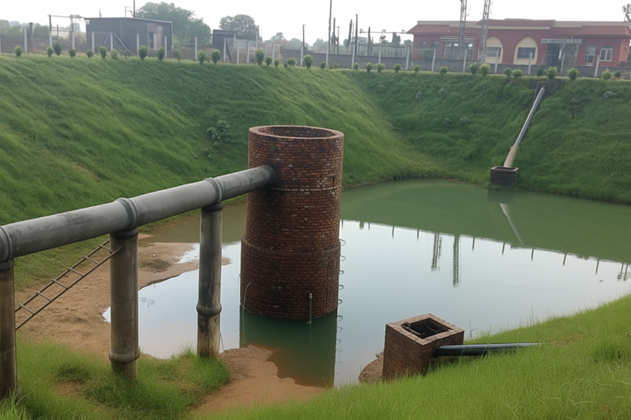
The Sehlanga pond, measuring 70 × 34.2 × 3.5 metres, was extensively desilted and expanded to achieve a storage capacity of 8,379 cubic metres (8.3 TCM), effectively creating a sustainable reservoir for the village. Around 248 saplings were planted around its embankment to enhance green cover, stabilize soil, and improve the microclimate.
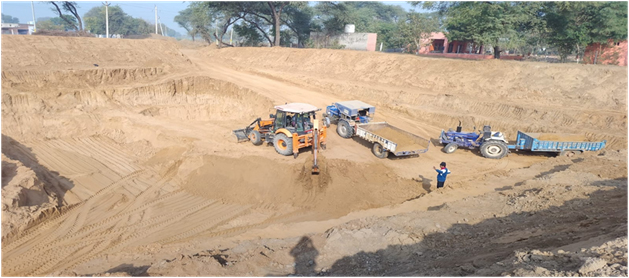
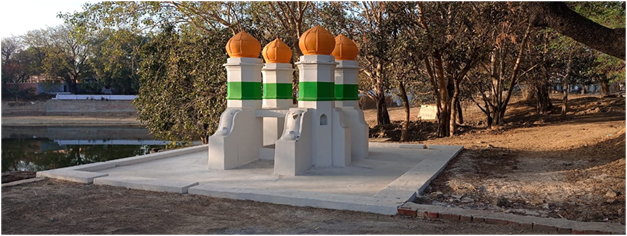
Simultaneously, three community wells in Jhamri were renovated. The wells were deepened by one metre, their floors re-laid, and boundaries strengthened with new brickwork and painting. These wells now serve as reliable sources of safe water for domestic use.
Water Conservation Achievements (FY 2023–24)
| Location | Activity | Beneficiaries | Village | Coordinates | Structure Size (L×W×H) | Water Storage (Cu.m) | Actual Water Conservation (L) | Capacity Increase (TCM) | Completion |
|---|---|---|---|---|---|---|---|---|---|
| Jhajjar | Pond Renovation | Villagers | Sehlanga | 28.555753° N / 76.346358° E | 70×34.2×3.5 | 8,379 | 8,379,000 | 8.3 | March 2024 |
The combined interventions across Jharli, Jhamri, and Sehlanga created a cumulative water conservation capacity of approximately 18.8 TCM, directly benefitting over 23,000 residents across the three villages.
Community Engagement and Capacity Building
Community involvement formed the backbone of Project Sanjeevani. Regular meetings were organized with Gram Panchayats, Block Development Officers, and villagers to ensure participatory decision-making. Over 1,370 villagers were directly engaged in awareness sessions covering water conservation, wastewater reuse, and best practices in rainwater harvesting. Additionally, school awareness programs reached 1,050 students, fostering environmental responsibility among youth.
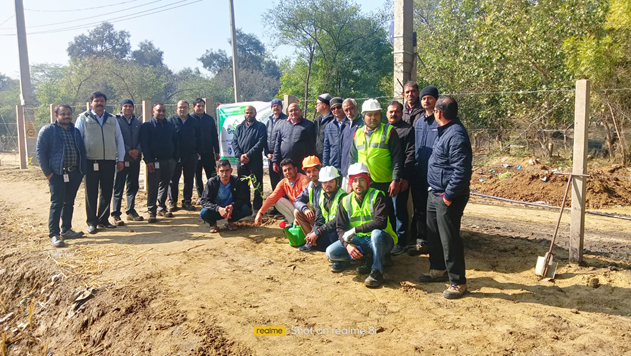
Village-level committees were also formed to oversee the maintenance of renovated ponds and wells. Local volunteers were trained on routine desilting, inlet management, plantation care, and water quality monitoring. This ensured the project’s sustainability beyond its implementation period.
Environmental, Social & Carbon Impact
Project Sanjeevani not only restored water bodies but also contributed to broader ecological and climate benefits. By enabling natural groundwater recharge, the project significantly reduced dependence on diesel and electricity-driven water pumps. It is estimated that reduced pumping by farmers saved approximately 328,500 kWh annually, equivalent to 262 tons of CO₂ emissions avoided each year.
Furthermore, the plantation of 798 saplings across all three villages contributes an estimated 16.8 tons of CO₂ sequestration annually, amounting to 168 tons over ten years. Rejuvenated ponds reduced soil erosion, fertilizer runoff, and nitrous oxide emissions, further minimizing indirect greenhouse gases.
| Source of Impact | Estimated CO₂ Offset (Tons/year) |
|---|---|
| Energy Savings from Pumping | 262 |
| Tree Plantation Sequestration | 16.8 |
| Reduced Soil Erosion & Runoff | 1.5 |
| Agriculture Practice Shift | 20–25 |
| Total Annual Offset | ~300–305 tons |
This represents a measurable contribution to climate action and carbon neutrality, aligning with India’s Sustainable Development Goals (SDGs) — particularly SDG 6 (Clean Water & Sanitation) and SDG 13 (Climate Action).
Sustainability and Maintenance
To ensure long-term functionality, Jhajjar Power Plant (CLP India Pvt. Ltd.) committed to a two-year maintenance support period covering routine cleaning, vegetation control, and minor repairs. Abhivyakti Foundation continues to monitor water levels and community usage patterns. This proactive maintenance model has already resulted in visible improvements — water retention during summer months has extended by nearly four additional months compared to pre-project conditions.
Holistic Impact Summary
| Village | Intervention | Completion Year | Storage Capacity Added (TCM) | Beneficiary Families | Key Outcome |
|---|---|---|---|---|---|
| Jharli | Pond Rejuvenation | 2023 | +3.3 | 380 | Groundwater recharge and erosion control |
| Jhamri | Pond Rejuvenation | 2023 | +7.2 | 440 | Reliable year-round water for farming & livestock |
| Sehlanga | Pond + ABR System | 2024 | +8.3 | 680 | Treated wastewater reuse & improved sanitation |
| Jhamri | Well Renovation (3 Wells) | 2024 | — | 320 | Safe drinking water & heritage restoration |
Total Water Conservation Capacity: ~18.8 TCM Total Population Impacted: ~23,789 people
Why Project Sanjeevani Matters
Project Sanjeevani is a living example of how strategic CSR investments can create lasting ecological and social change. By combining traditional knowledge with modern engineering solutions, the project not only addressed water scarcity but also built resilience against climate risks. It strengthened community participation, enhanced local biodiversity, and improved the socio-economic well-being of thousands of rural residents.
The success of this initiative lies in its integrated approach — blending structural interventions, natural resource management, and behavioral change. Through the joint efforts of Abhivyakti Foundation and Jhajjar Power Plant (CLP India Pvt. Ltd.), Project Sanjeevani has revived the lifeline of these villages, setting a benchmark in sustainable water management and CSR excellence.